

Nourishing communities across northern Indiana
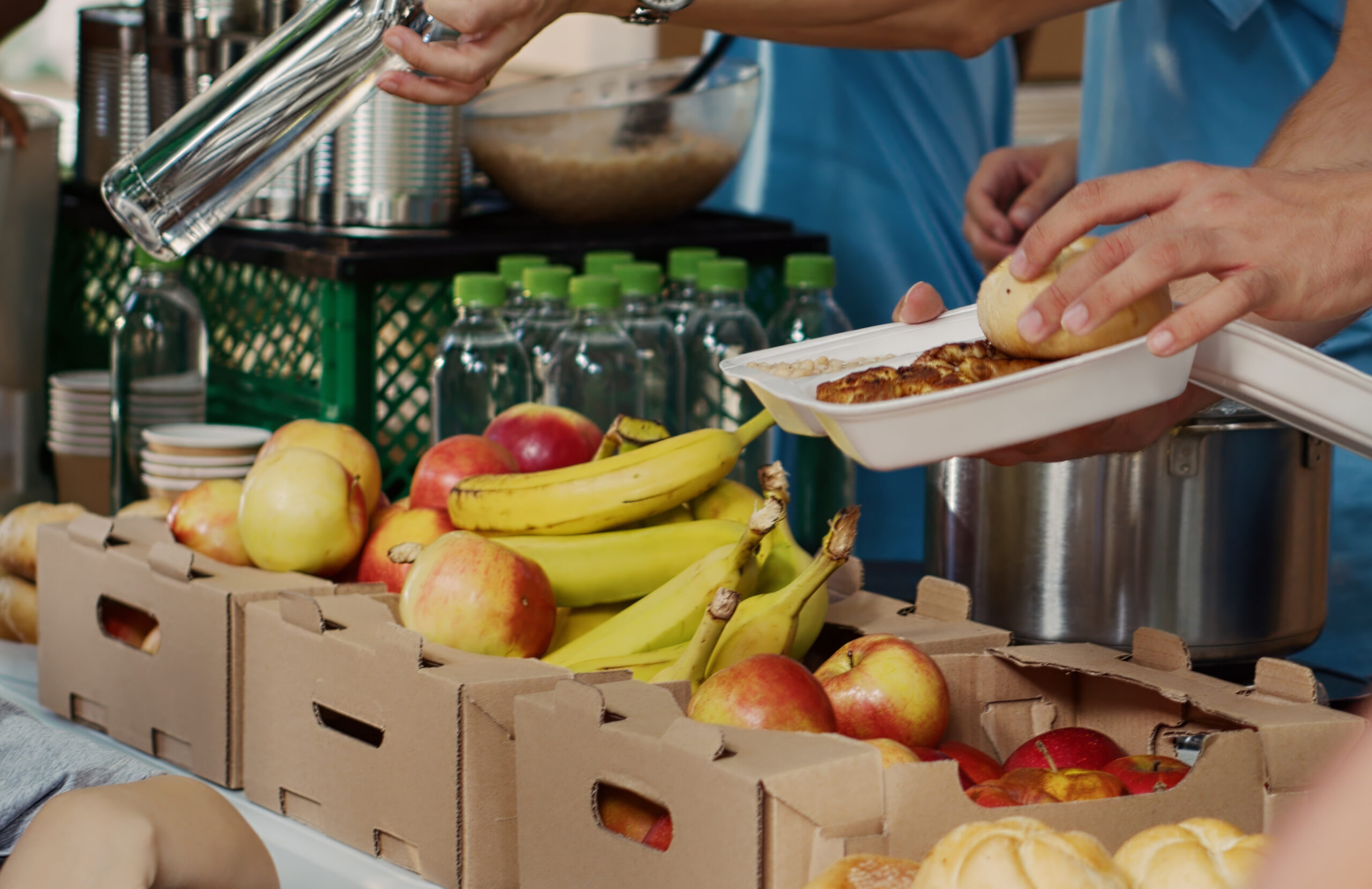
In northern Indiana, thousands of families face food insecurity while perfectly good food is discarded every day. For the team at Cultivate Food Rescue, those two challenges are inseparable—and so is the solution.
Now entering its tenth year, Cultivate has grown from its roots as a culinary training program into a nonprofit dedicated to recovering surplus food and transforming it into nutritious meals for people across the region. That work is being strengthened through support from Microsoft. Director of Mission Advancement Fay Flournoy describes the organization’s evolution as a response to a simple but powerful question: how can communities redirect food that would otherwise go to waste toward neighbors who need it most?
Rescuing food, feeding neighbors
Today, Cultivate rescues food from a wide range of sources, including local farmers, cold-storage facilities, manufacturers, distributors, and institutions such as the University of Notre Dame. Food that might otherwise end up in a landfill or plowed under is sorted, prepared, packaged, and distributed through a network of community partners serving northern Indiana. Nutrition is a focus, says Flournoy: “We try to focus on fresh items with high nutritional value like produce and protein-rich foods like local meats.” Cultivate’s innovative Meat Hunger Program further supports local agriculture by purchasing animals from area farmers and 4-H fairs, processing the meat locally, and providing affordable protein to food pantries.
The scale of this work is significant. During the last fiscal year alone, Cultivate rescued approximately 6.5 million pounds of food. According to Flournoy, much of that food never would have reached grocery store shelves despite being safe and nutritious. What started a decade ago as a backpack meal program for dozens of schoolchildren has expanded to reach thousands of community members of all ages facing food insecurity, such as seniors, veterans, and individuals with limited mobility. Through partnerships with about 93 schools and 220 social service agencies, housing organizations, food pantries, and other local groups, Cultivate helps ensure meals reach people where they are.
Volunteers are central to the mission. Flournoy notes that approximately 10,000 volunteers contribute their time each year, helping prepare and package meals that directly benefit local families and children. “You come in to pack meals for an hour and a half or two hours, and you’re feeding 800 to 1,300 kids,” she says. “It’s really tangible to see what you’re doing in that volunteer session.”
Advancing shared goals for community impact
Microsoft’s investment will help strengthen Cultivate’s ability to continue and expand this work, advancing food recovery, meal preparation, and distribution efforts throughout the region. This investment reflects a shared commitment to sustainability and stronger communities. “Their support means we are able to get more food into the community and increase our summer backpack program for the kids, to make sure they’re not just forgotten during the summers,” says Flournoy.
Cultivate’s impact extends beyond hunger relief. By recovering surplus food before it becomes waste, the organization helps reduce the environmental impacts associated with landfills. Flournoy shared that Cultivate is conducting a study indicating the organization may be carbon neutral—or even carbon negative—because of its food rescue efforts.
As Cultivate begins its second decade of service, the organization remains focused on its guiding mission: ensuring that no neighbor goes hungry and no good food goes to waste.