Understanding water use at Microsoft datacenters
Datacenters enable everything from email and emergency services to hospital records, video streaming, AI, gaming, and online shopping.
At Microsoft, as part of our Community‑First Infrastructure initiative, we will minimize our datacenter water use, replenish more than we consume locally, provide greater local transparency, and advocate for public policy that helps minimize water use where we build and operate datacenters.



Your questions about water, answered
How we use water, where it comes from, and what happens after cooling

We design our datacenters to use as little water as possible. In many locations, datacenters can cool their systems using outside air for most of the year, requiring no water at all. When water is needed, we work with local utilities to avoid straining community supplies—generally using less water than many other industries.
Where does Microsoft get water for cooling?
When cooling requires water, we purchase it from local utilities.
Who pays for the water used in Microsoft datacenters?
We pay for our water like any other water customer.
Will local water rates be affected by datacenter operations?
Microsoft pays for the infrastructure necessary to support our datacenters, so we don’t pass our costs onto other rate payers.
Will my water pressure be affected if the datacenter is using water?
Microsoft and the utilities look at pressure availability in surrounding areas when assessing Microsoft’s infrastructure needs and if needed, address pressure with system improvements, paid for by Microsoft.
Will there be enough water for our community?
We partner with utilities from day one to map out water, wastewater, and pressure needs, and we fully fund the infrastructure required for growth, ensuring local water systems are resilient.
Do you add chemicals to the water?
Datacenter cooling water is typically not treated with any chemicals or additives. When quality of the available water is not adequate for use in cooling systems, water treatment is pursued in the same way municipal drinking water is treated to remove excessive hardness or to prevent harmful bacterial growth.
In some datacenters, a propylene glycol (PG) solution is used within our closed-loop cooling systems. On rare occasions when PG must be removed, it is collected and hauled away for proper disposal in accordance with all applicable regulatory requirements.
What happens to the water after it’s used for cooling? Where does it go?
For direct evaporative cooling, when the temperature exceeds 85°F (29.4°C), water flows into the facility and cycles through the cooling system between 2–5 times. A portion of the water evaporates, while the remainder is typically discharged back to the local wastewater treatment plant in compliance with local regulations.
Zero water evaporated direct-to-chip cooling uses a closed-loop system where water remains in the circuit to be reused over time for cooling.
Does Microsoft use recycled or reclaimed water in its datacenters?
Yes. Where available and appropriate, Microsoft uses recycled and reclaimed water in its datacenters to reduce the use of potable (drinking) water. Microsoft has expanded the use of reclaimed and recycled water at datacenter sites in Texas, Washington, California, and Singapore, among other locations.
In addition, some Microsoft datacenters and facilities capture and reuse rainwater as part of broader water‑efficiency efforts. Rainwater harvesting has been implemented at Microsoft sites in parts of Europe, including the Netherlands, and Ireland.
How can I learn more specifically about the datacenter in my community?
Visit our local datacenter factsheet page to find information about jobs, community investments, and how we use energy and cool the datacenters in your area.

Did you know?
Our latest datacenter in Mount Pleasant, Wisconsin uses about as much water as a typical restaurant each year.

All about datacenter cooling
How we cool our servers —using air when we can, and water only as needed
Why datacenters need cooling
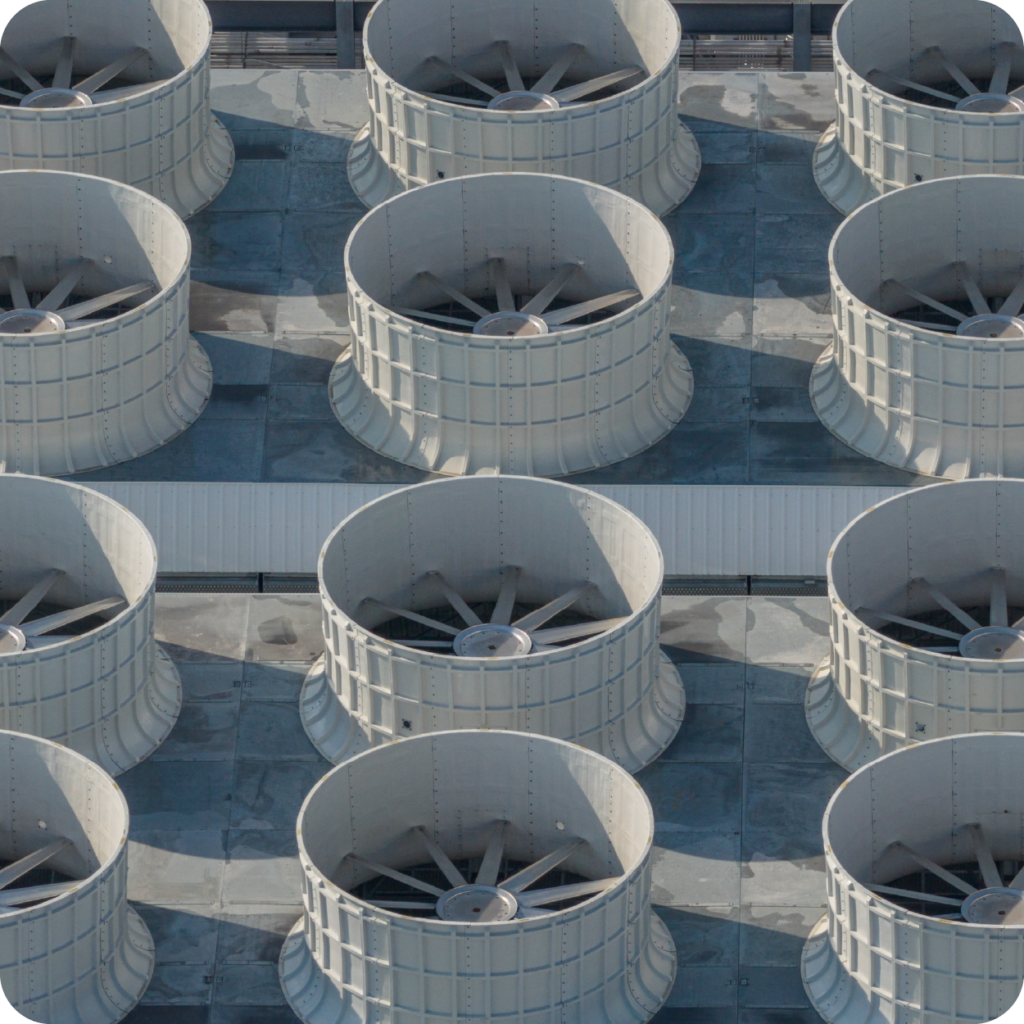
Datacenters power the internet and much of our modern world. Inside, they’re filled with thousands of powerful computers called servers, and when they run, they produce heat. To keep them working properly, the servers must stay at the right temperature, which requires cooling. At Microsoft, we cool our datacenters using as little water as possible.
Watch our video to learn more about water use at Microsoft datacenters.
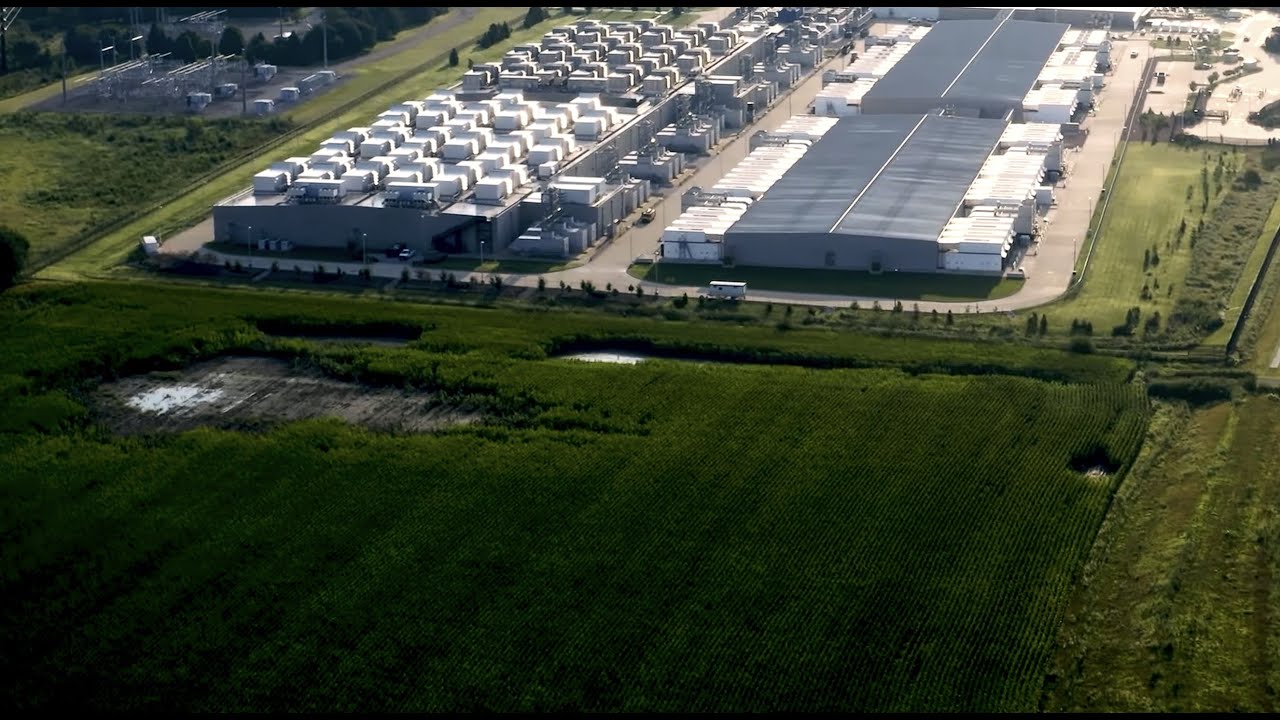
We use a mix of cooling approaches depending on where the datacenter is located. Here are the most common types:

Outside air cooling
In cooler climates like Sweden, fresh outdoor air keeps servers cool year-round—like rolling down your car windows.

Evaporative cooling
When temperatures stay below 85°F (29°C), we can cool many of our datacenters using outside air alone—no water needed.
Even in warmer climates like Georgia, we use outside‑air cooling for about 85% of the year. During the hottest roughly 55 days, we switch to evaporative cooling, where water circulates through the system two to five times to remove heat.
In this process, some of the water evaporates—much like how sweat helps cool your body—while the rest is returned to the local utility to be treated just like household wastewater.
Air-cooled chillers
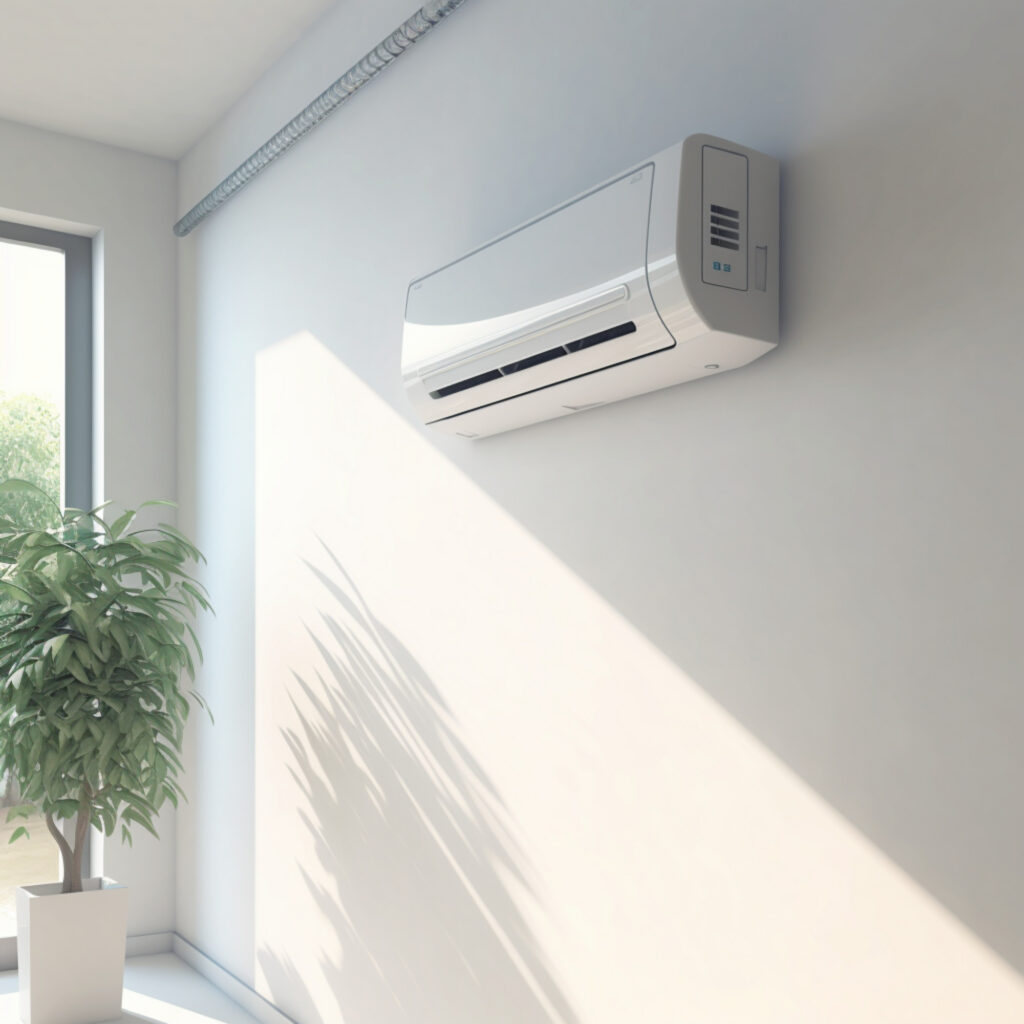
In water-scarce areas, chillers rely only on air, similar to air conditioning in your home or car, with zero water use.
Chip-level cooling
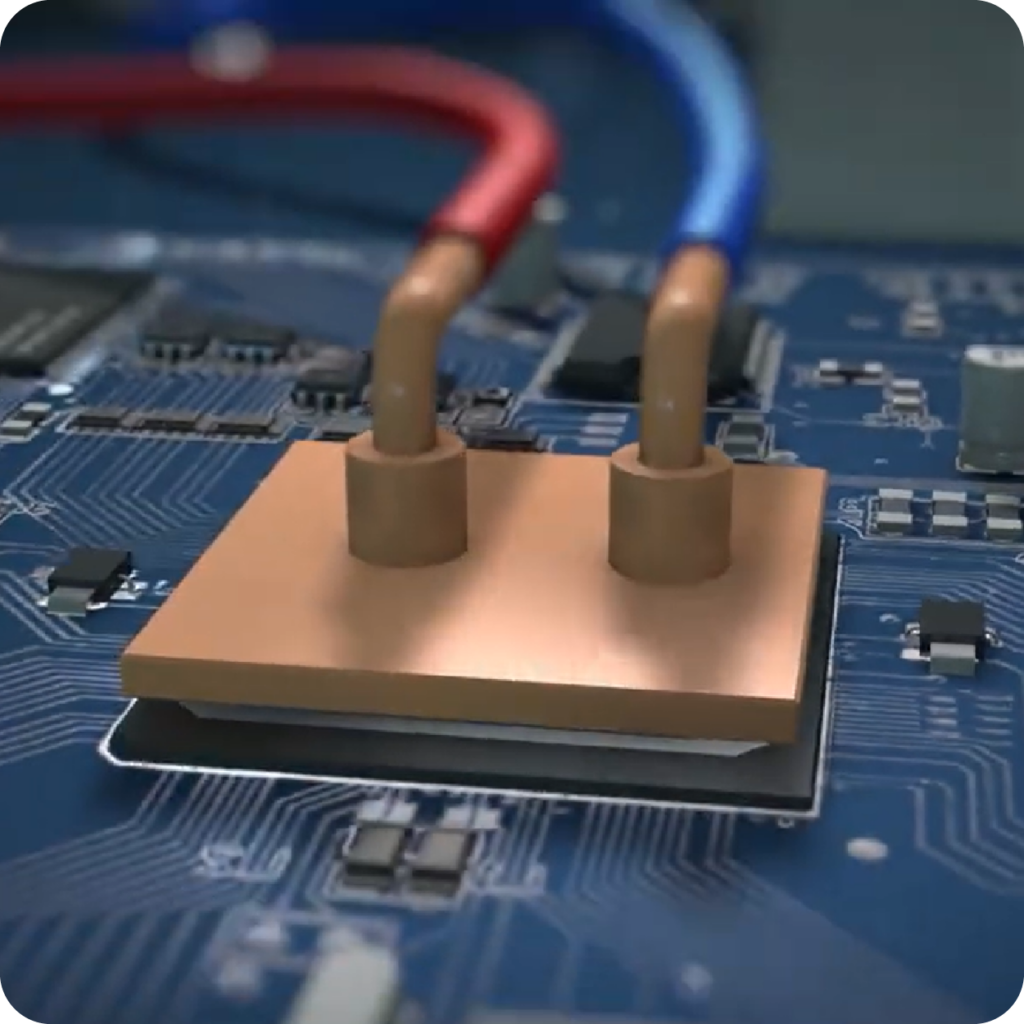
Our latest innovation circulates liquid directly to each chip in a closed loop—eliminating evaporation, supporting all three of the cooling methods, and meeting AI demands while saving water.

Using water responsibly
Examples of smart water use tailored to local needs

Responsible sourcing
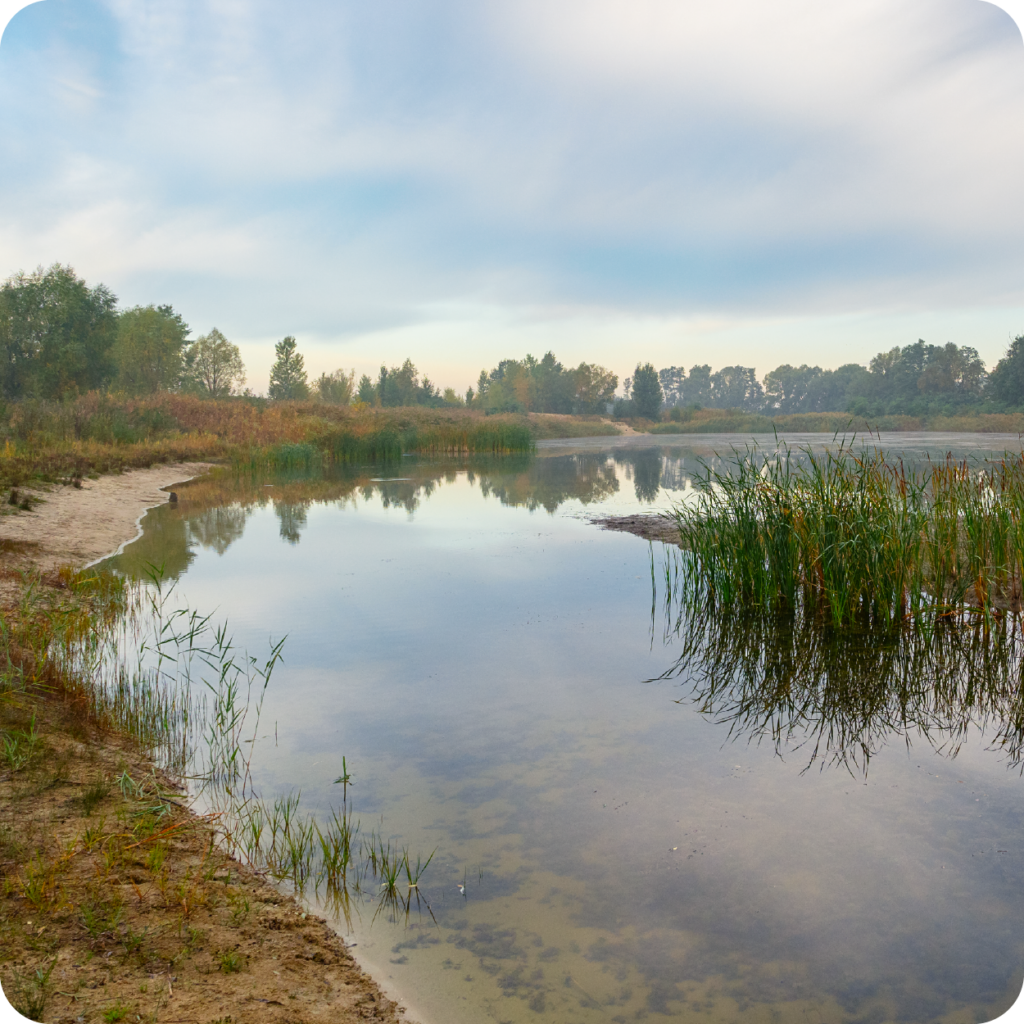
We work with local providers to ensure that we can meet our needs without straining community supplies. In select locations, we also use reclaimed and recycled water and have recently begun collecting rainwater for cooling as well.
Reclaimed and recycled water
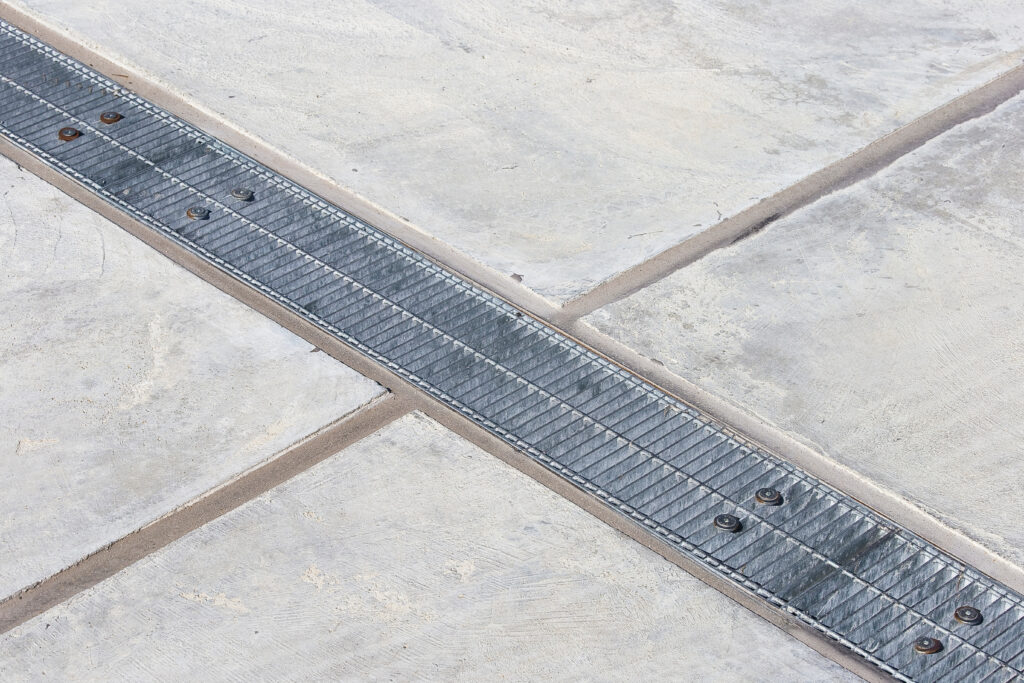
Reclaimed water comes from drains in homes or businesses, treated for safe reuse.
Similar to reclaimed water, recycled water is often used for irrigation or industrial processes.
In 2023, we expanded our usage of alternative water sources, such as reclaimed and recycled water, in Texas, Washington, California, and Singapore, further reducing our dependence on freshwater supply.
In Quincy, Washington, we built a reuse utility that cuts potable water use—or water that is safe for people to drink—by 97% and returns 1.5 million cubic meters annually for community drinking needs.
Rainwater harvesting
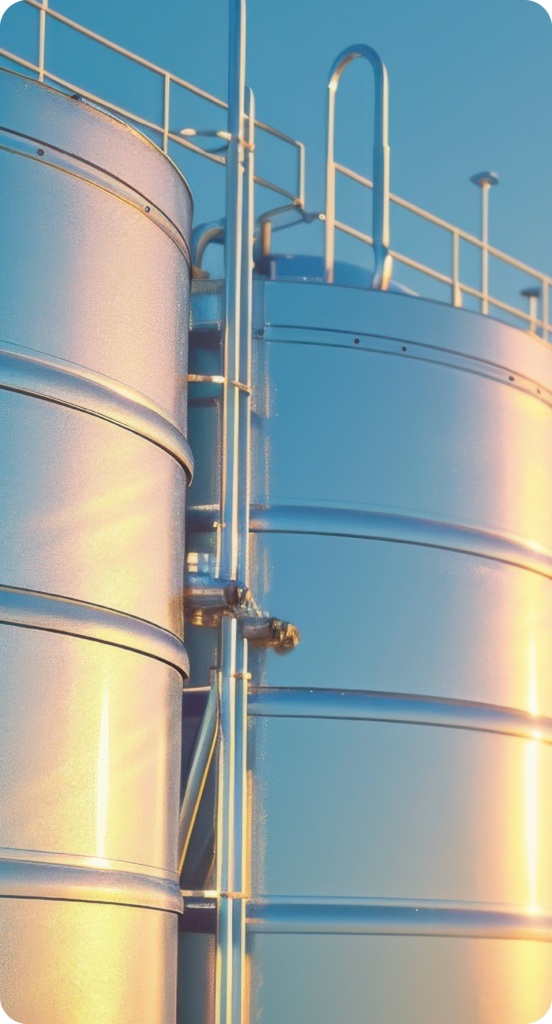
We’ve built systems that collect and store rain from rooftops for reuse in datacenters.
Our datacenters in Middenmeer, the Netherlands are home to one of our first global rainwater capture programs. The collected water is used as an alternative source to offset cooling and humidification needs.
This approach is now in use in Ireland, and we’re expanding to Canada, the United Kingdom, Finland, Italy, South Africa, India, and Austria.
Reuse and return
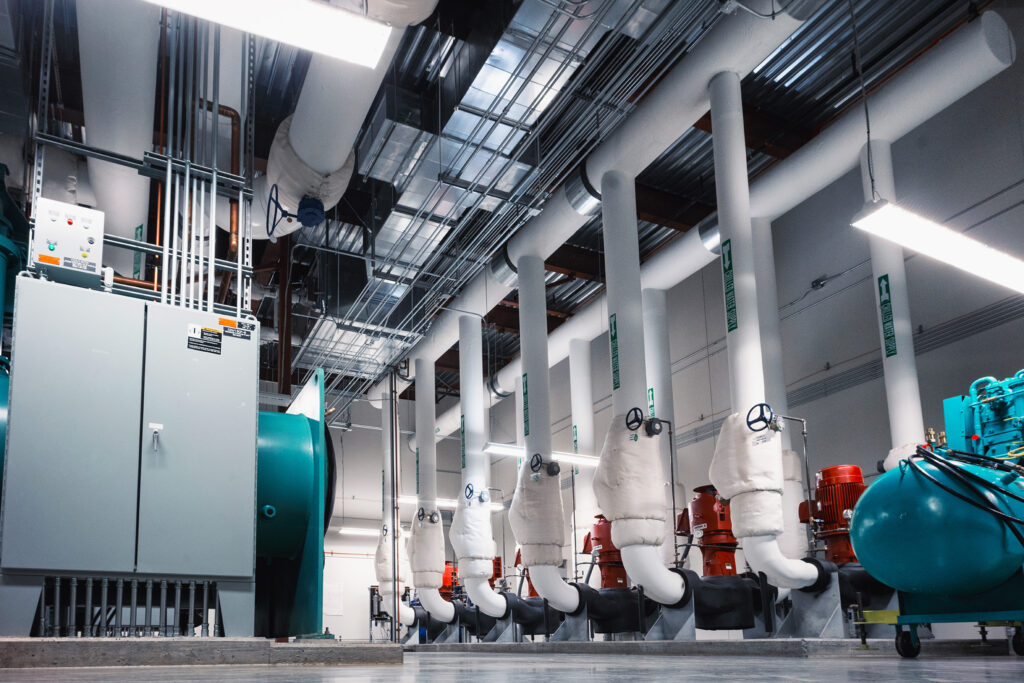
In datacenters that use water to cool servers, some of that water is returned to the atmosphere through evaporation. The water that doesn’t evaporate is reused 2-5 times before being returned to the local utility for treatment and release back into local watersheds, following environmental regulations.

Water positivity at Microsoft
Learn about our approach
We’re committed to becoming water positive by 2030, guided by five pillars:
- Replenishment – Replenish more water than we use
- Access – Increase access to water and sanitation services
- Reduction – Improve water efficiency across operations
- Innovative solutions – Drive innovation to scale water solutions
- Policy – Advocate for effective and innovative water policy
We also set a goal: improve water usage efficiency by 40% across our global, owned datacenter operations by 2030. Since our 2022 baseline, operational datacenters have achieved an 18% reduction in water intensity. Our next-generation datacenters will push efficiency even further.
Find the Water Usage Efficiency (WUE) values for Microsoft datacenters currently in operation
Learn more in our video about understanding water positivity at Microsoft.

From AI-powered precision irrigation in Chile to rainwater harvesting at schools in Malaysia, we’re scaling projects that replenish water and expand access. Learn more in our Environmental Sustainability Report.

Evolution of datacenter cooling
A look back at 20 years of water-efficiency innovation and what’s ahead
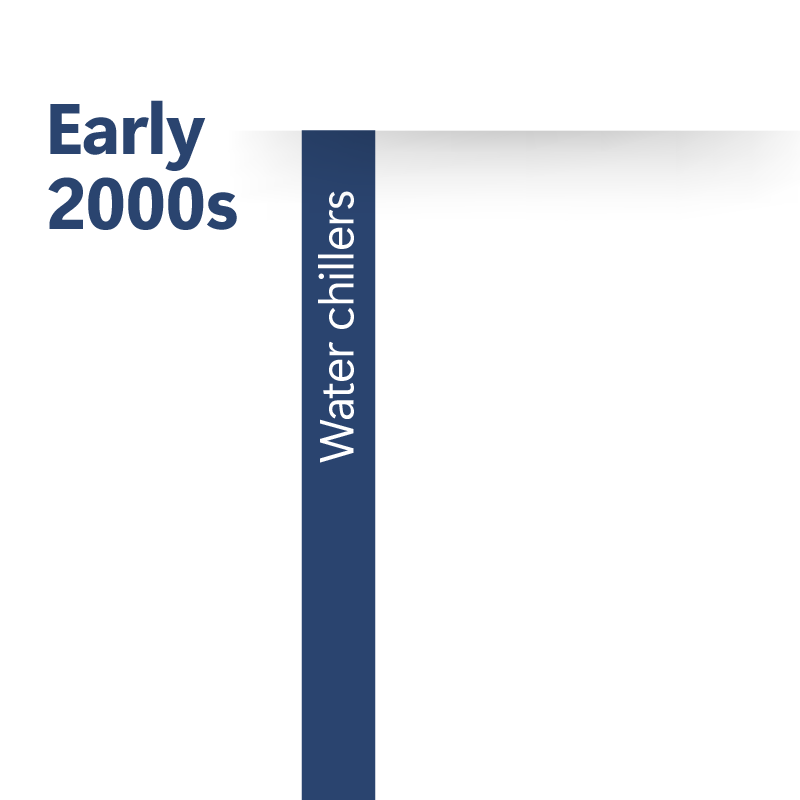
Traditional datacenters
(early 2000s)
Early datacenters used industrial water chillers for cooling. While they are still used today, few new datacenters are built with this technology.
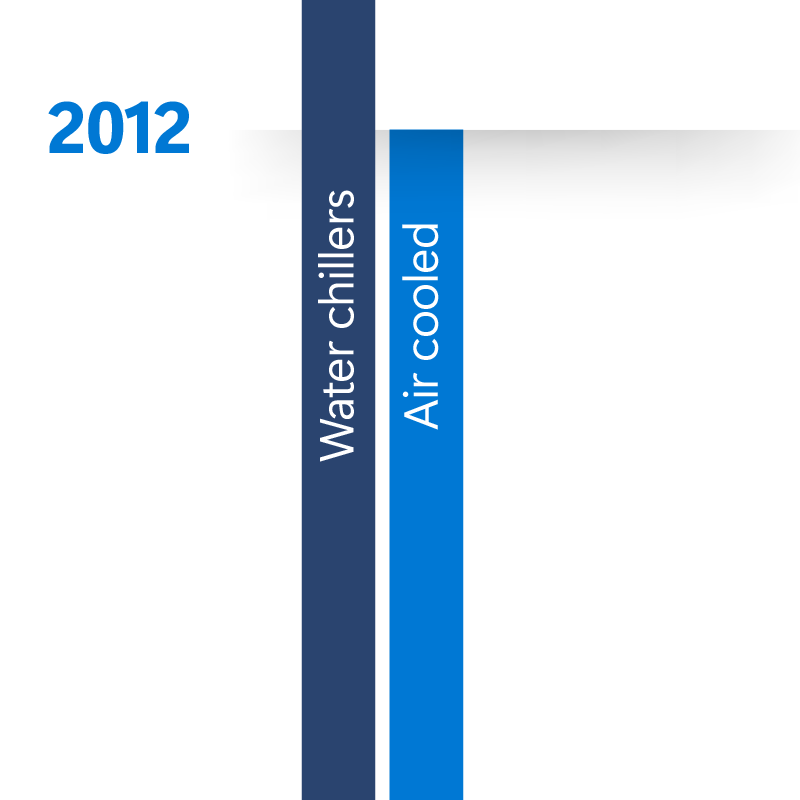
Outside air-cooled servers
(2012-present)
Outside air began cooling our servers in temperate regions. Air-cooled designs marked a big step toward efficiency, cutting costs while minimizing environmental impact.
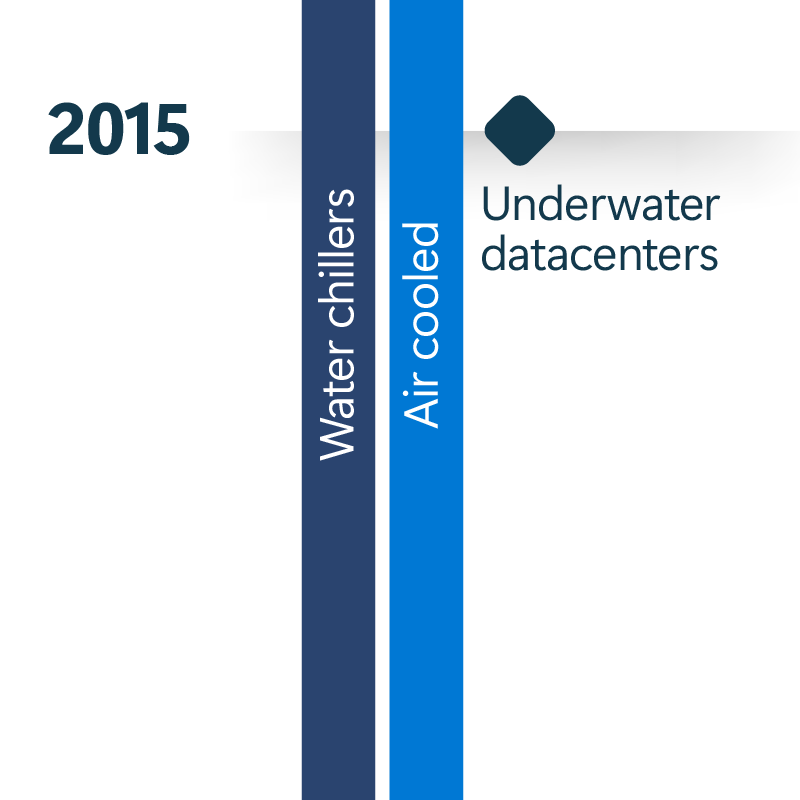
Underwater datacenters
(2015) Experiment
Project Natick tested a bold idea: submerging datacenters in the ocean to explore faster deployment and energy savings.
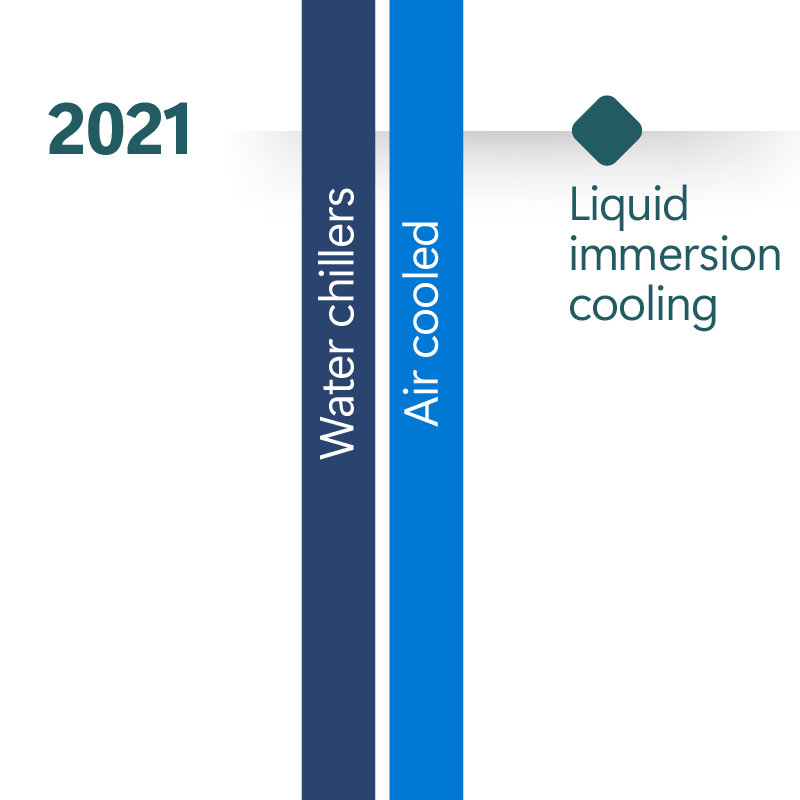
Liquid immersion cooling
(2021) Experiment
We pioneered the two-phase liquid immersion cooling, reducing water use while boosting performance.
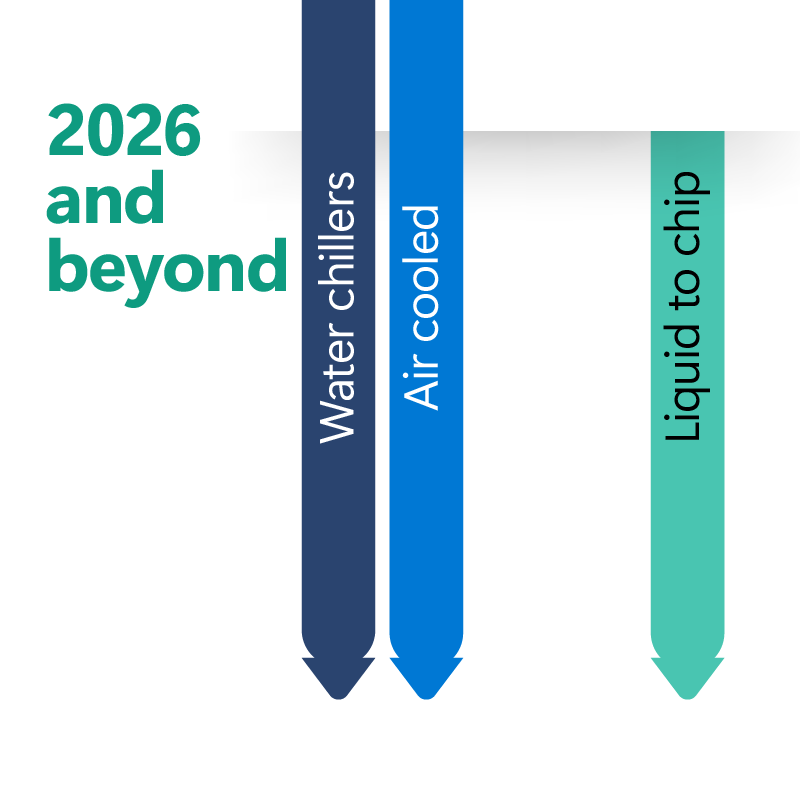
Liquid-to-chip cooling
(2026 and beyond)
Our next-gen standard: circulating liquid directly to each chip in a closed loop, eliminating evaporation and saving water.

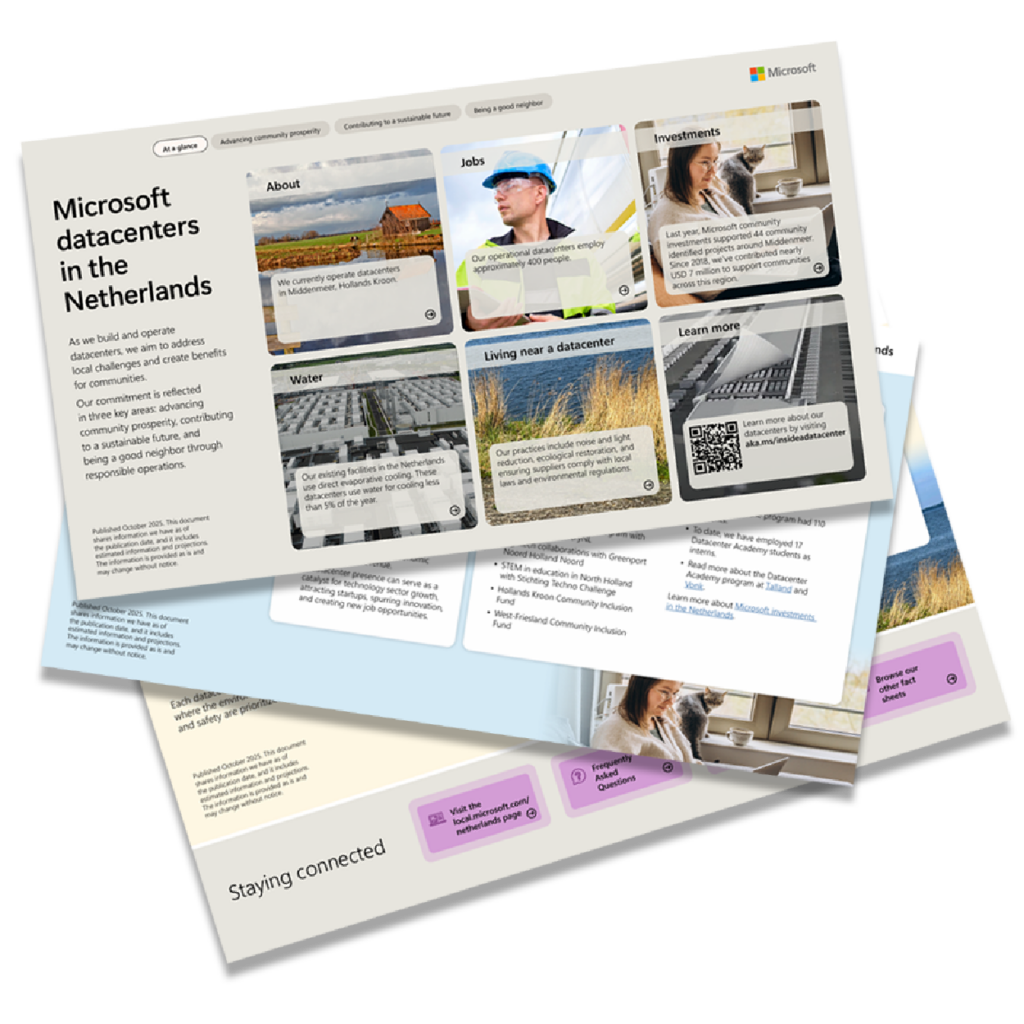
Local datacenter fact sheets
Find local information about jobs, community investments, and how we use energy and cool the datacenters in your area
Americas




Asia Pacific








Europe, Middle East, and Africa












Our Community‑First Infrastructure Initiative
Microsoft’s plan to partner with local communities