

Understanding energy use at Microsoft datacenters
Energy powers the Microsoft Cloud, enabling everything from email and emergency services to hospital records, video streaming, gaming, online shopping, and AI. And it’s true: datacenters use a lot of electricity to keep these services running reliably and securely.
At the same time, we hear your concerns and that’s why, as part of our Community-First AI infrastructure initiative, we made a clear promise: we will pay our way to ensure our datacenters don’t increase your electricity prices.
In addition, Microsoft is advancing a smarter energy future by improving datacenter efficiency, sourcing more carbon-free energy, and we are on path to achieving our commitment to be carbon negative.
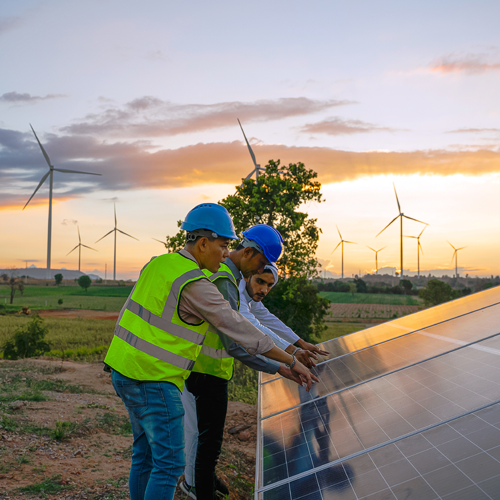


Your questions about energy, answered
How we use energy, where it comes from, and how we collaborate with local utilities

We know people have questions about how datacenters use energy, and we want to provide answers. Here, you can learn how Microsoft works to use energy responsibly—and how we’re using carbon-free power in the communities where we operate.
Will Microsoft datacenters raise my electricity bill?
As part of our Community‑First AI Infrastructure initiative, Microsoft will pay our way to ensure our datacenters don’t increase your electricity prices. This includes paying utility rates that are high enough to cover our electricity costs and our share of infrastructure costs to generate and deliver that electricity to our sites.
Where does Microsoft get its power?
We purchase electricity from local power utilities. In addition, we add carbon-free energy through power purchase agreements (PPAs) and other long-term contracts.
In 2025, we met our goal of matching 100% of our electricity consumption with renewable energy.
What is a PPA?
Power Purchase Agreements, or PPA for short, is a contract between a company and an energy provider. The company agrees to buy electricity from the provider for a set price over a long period—often years. This helps the company get carbon-free energy without building its own carbon-free energy power plant, and it gives the energy provider a guaranteed customer so they can keep producing power. Importantly, Microsoft’s PPAs do more than purchase carbon-free electricity—they help new carbon-free energy projects to be built by providing energy developers with the steady income stream they need to secure financing to build new wind, solar, or other carbon-free facilities. This means our contracts help bring additional carbon-free energy onto the grid that benefits everyone, not just our datacenters.
Will there be enough energy for my community?
Microsoft datacenters rely on the same utility infrastructure planning process that utilities use to plan for expansion within their service areas. Microsoft, alongside other consumer advocate groups regularly participate in regulatory proceedings to make sure that utilities are keeping up with infrastructure growth plans for all customers.
How can I learn more about the specific datacenter in my community?
Visit our local datacenter factsheet page to find information about jobs, community investments, and how we use energy and cool the datacenters in your area.
When do you put solar panels on the rooftops of the datacenter?
Microsoft is actively exploring and investing in various carbon-free energy sources, including solar energy, for its operations and to contribute to environmental sustainability. The decision to install solar panels on datacenters or any other facility involves multiple factors such as the geographical location, structural design, energy requirements, and the overall impact on the environment and community.

How datacenters use electricity
Learn about the three main areas requiring energy
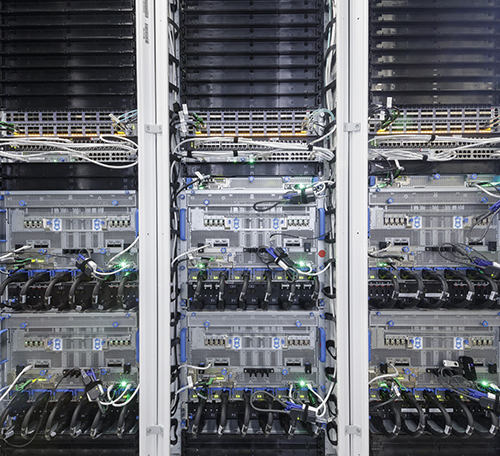
A datacenter is like a giant version of the computer you have at home. But instead of one computer, it has thousands or even millions of servers—special computers that store data and run apps for things like email, emergency services, hospital records, streaming videos, air traffic control, gaming, video conferencing, and online shopping, which all use AI.
Datacenters use electricity for three main things:

Powering the servers
Each server needs electricity to turn on, process information, and send data around the world. The more we all use things like the internet, the more servers and electricity are needed.
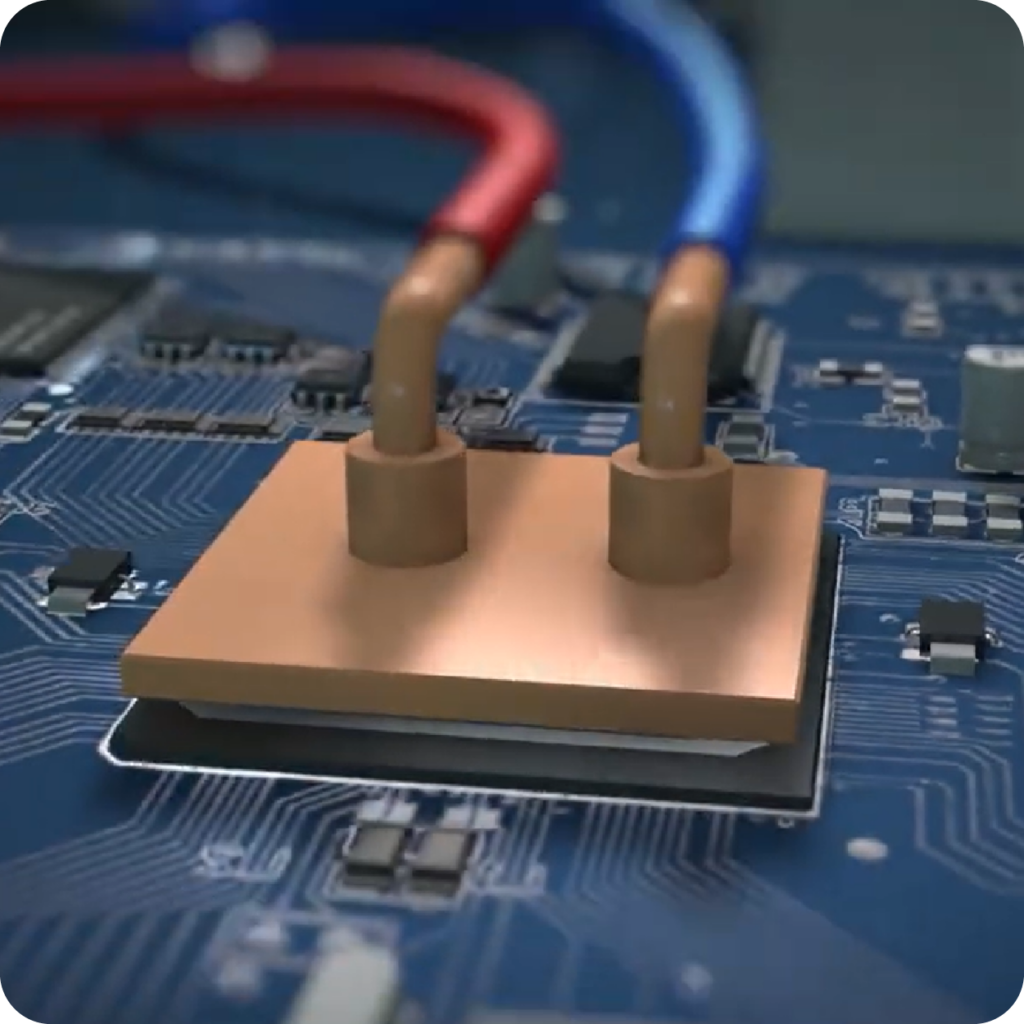
Cooling the servers
Servers get hot when they process information. To keep them from overheating, datacenters use cooling systems such as outside air, cold air, refrigeration systems, and liquid cooling.
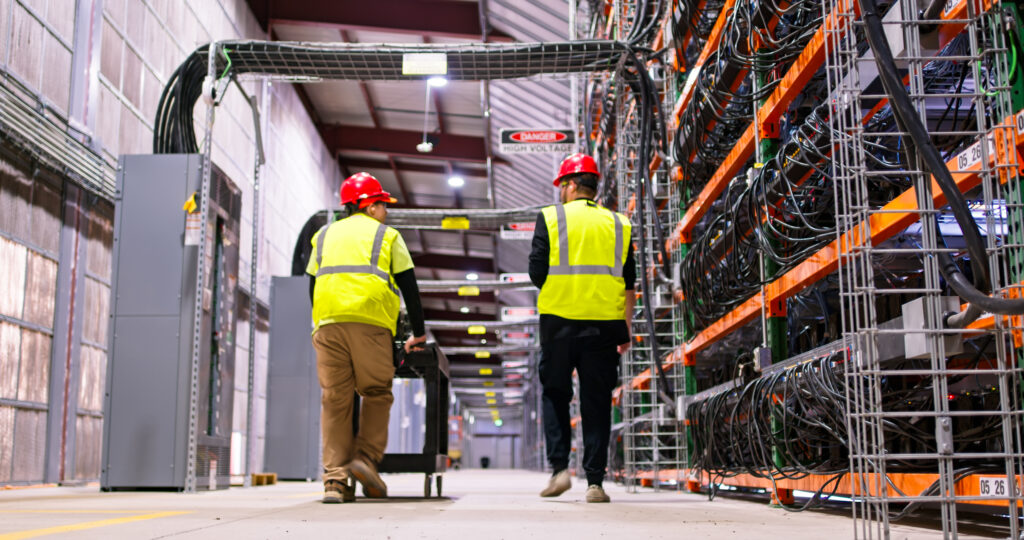
Running the facility
The datacenter also requires electricity to keep our employees and customer data safe such as powering lights, security systems, backup batteries, and networking equipment.

Measuring our energy efficiency
Understanding the Power Usage Efficiency metric
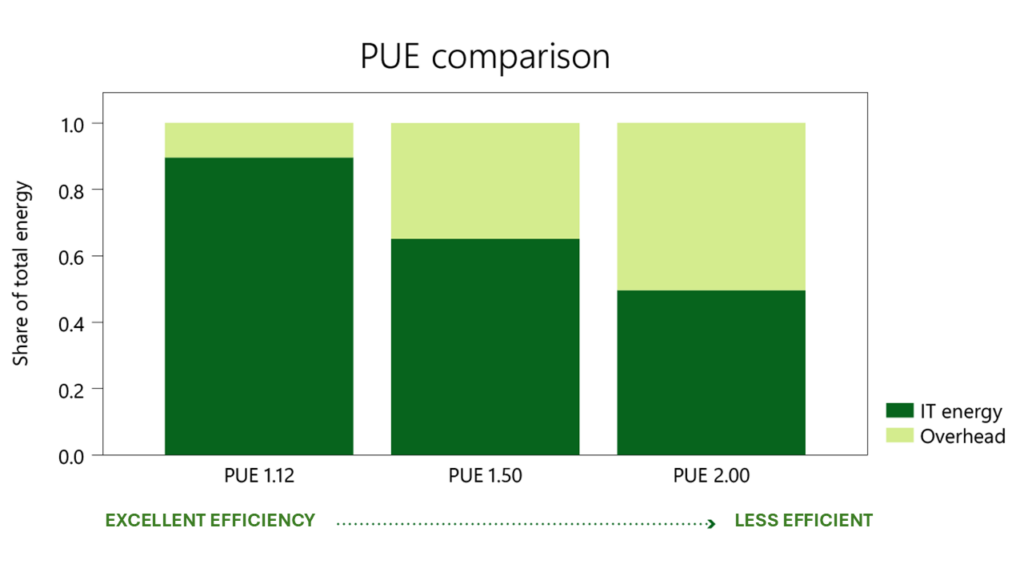
Power Usage Effectiveness, or PUE is a metric that tells us how efficiently a datacenter uses energy.
PUE is measured by dividing the total energy needed for the whole datacenter, by the total energy used for computing.
In other words,
- If a datacenter uses 560 units of electricity total (including cooling, networking, etc)
- And the servers and IT equipment use 500 units, it would mean the datacenter has a PUE of 1.12.

- A PUE of 1.0 would mean every bit of energy goes directly to the computers, used for cooling or other needs.
- Most modern datacenters aim for around 1.1–1.3, which is considered very efficient.
- Newer Microsoft datacenters are designed to be very efficient, often close to 1.12, which is considered excellent.
- Find the Power Usage Efficiency (PUE) values for Microsoft datacenters currently in operation
Responsible energy use
Steps we take to run datacenters more efficiently
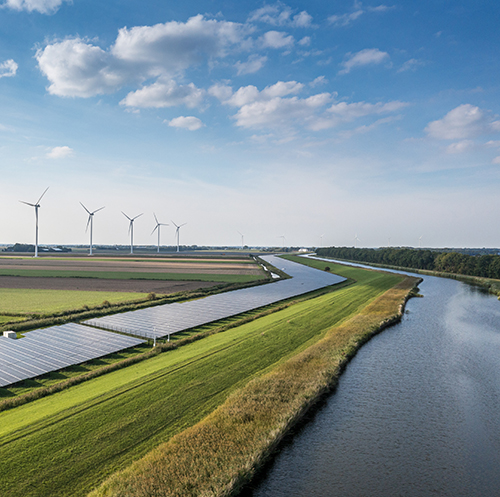
Datacenters need energy and we’re working hard to use it responsibly in every community. We are leading the industry in improving how our systems run and using smart tools like AI, we reduce waste and support a more efficient cloud.

Smart scheduling
Microsoft uses machine learning to schedule tasks at the most efficient times. This prevents servers from sitting idle and wasting electricity.
Operational enhancements
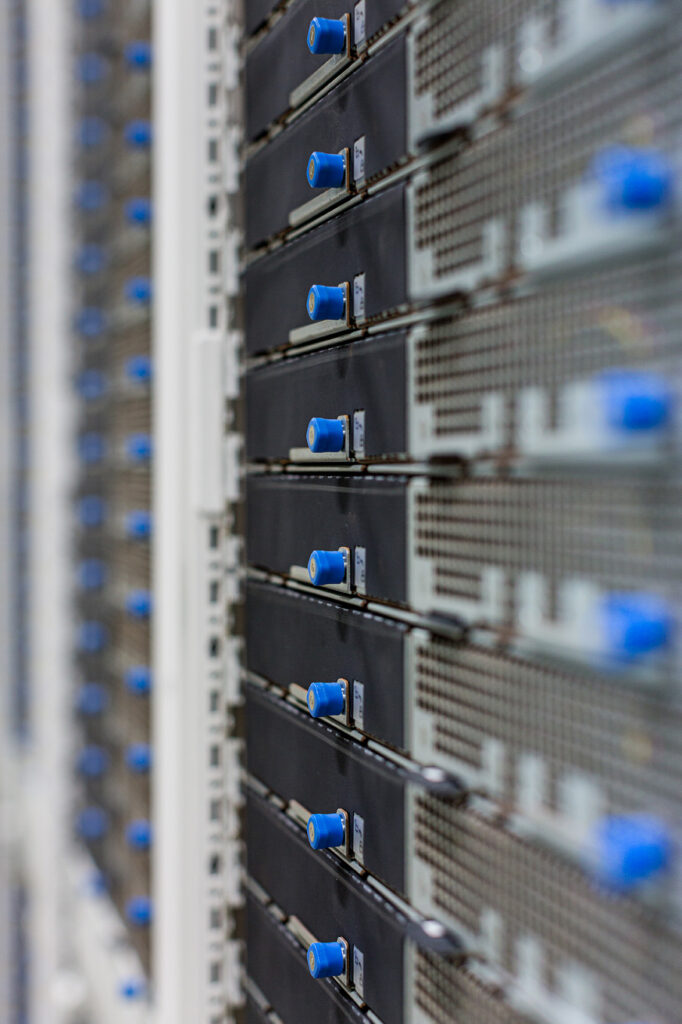
By improving datacenter layouts, cooling, and server hardware, we get more computing power from the same amount of energy.

Optimizing our power usage with AI
AI systems also help run our datacenters, adjusting power use across millions of servers to maximize efficiency.
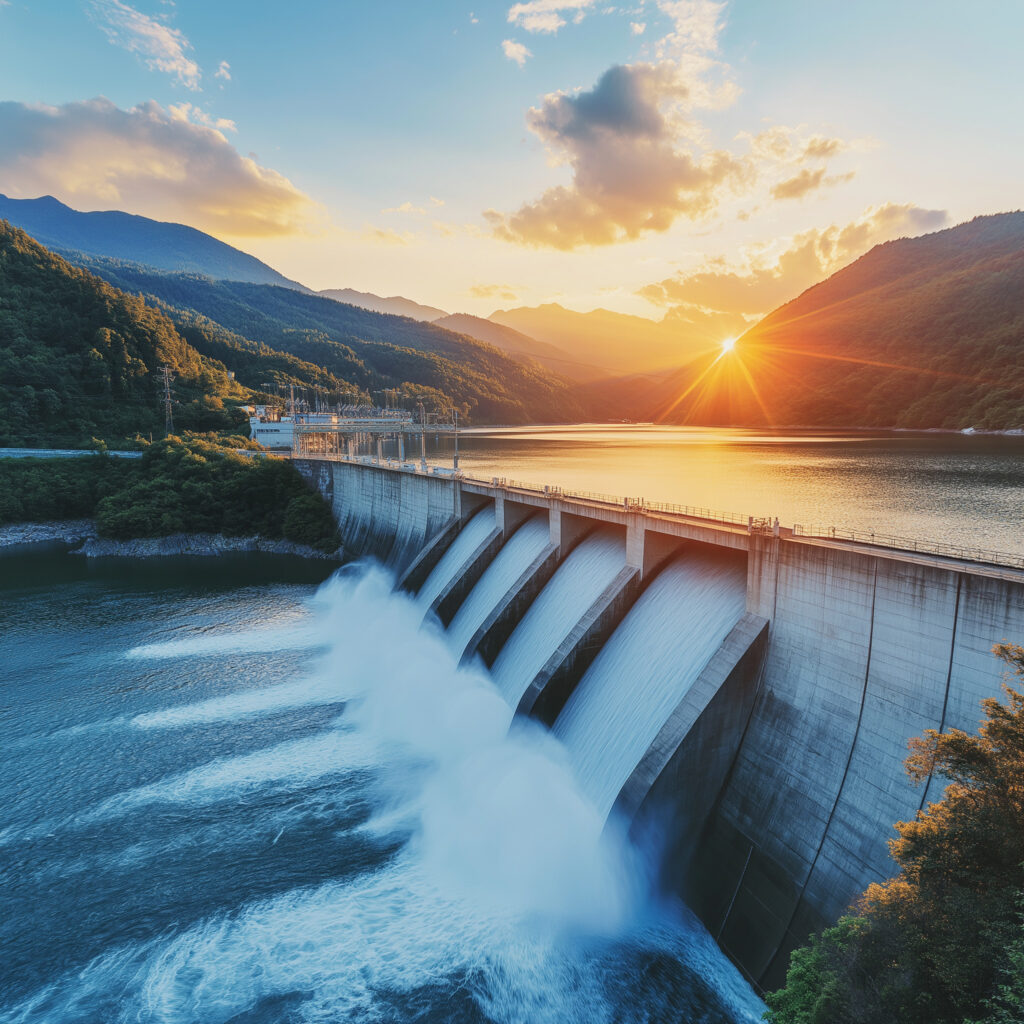
Where carbon free electricity comes from—and how it’s used
How different energy sources power the grid and how Microsoft supports carbon free energy
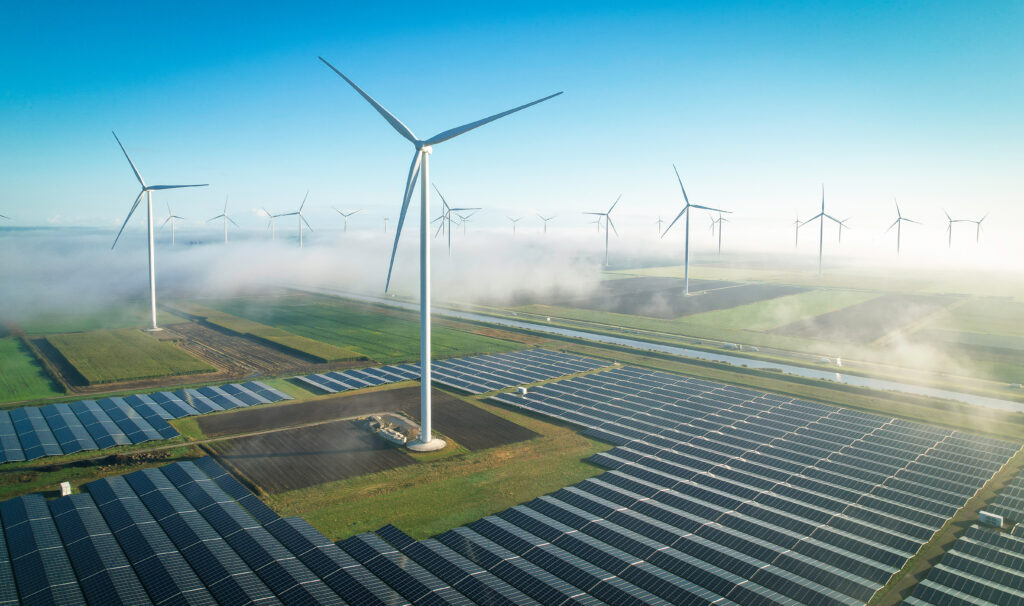
Carbon free energy is a broad category.
It refers to electricity that is generated without releasing carbon dioxide (CO₂) into the atmosphere. This includes renewable energy sources like wind and solar, as well as other non-emitting sources such as nuclear energy (both fission and emerging fusion technologies).
In addition to avoiding greenhouse gas emissions, carbon free energy also helps reduce local air pollution and supports long term environmental health.
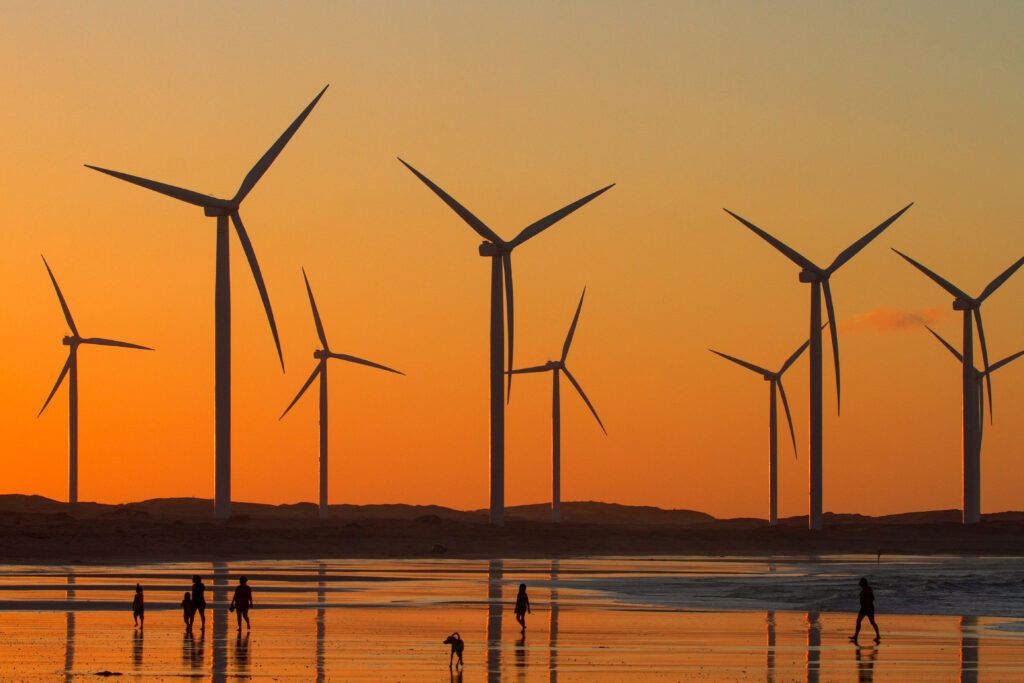
Renewable energy comes from natural sources that are replenished over time.
Common examples include solar, wind, hydropower, and geothermal energy. These sources generate electricity without burning fossil fuels and are an important part of reducing carbon emissions.
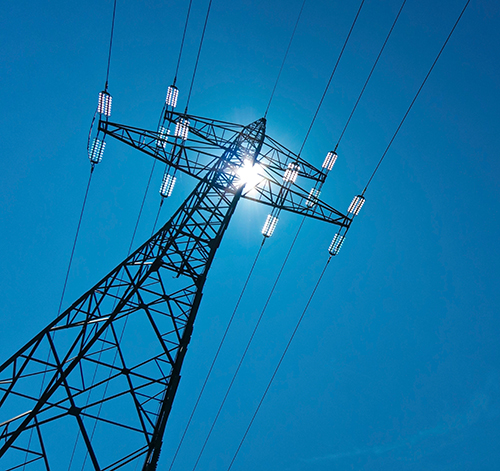
How carbon‑free electricity is used
Once generated, carbon-free electricity goes onto the power grid, mixing with all other kinds of energy.

At the same time, Microsoft signs long-term contracts—called PPAs (Power Purchase Agreements)—to buy carbon-free energy.

Even though all electrons mix together on the grid, Microsoft matches every unit of electricity its datacenters use with the same amount of carbon-free energy.
Understanding carbon free energy sources
From solar and wind to nuclear energy

Most of the electricity that powers our datacenters is matched with carbon-free energy, from familiar sources like solar, wind, and hydro. In some places, we also use geothermal energy, and we’re exploring new technologies—including nuclear fission and fusion—to help build a more reliable, carbon-free future.
Here are the types of energy sources that make up our portfolio today.
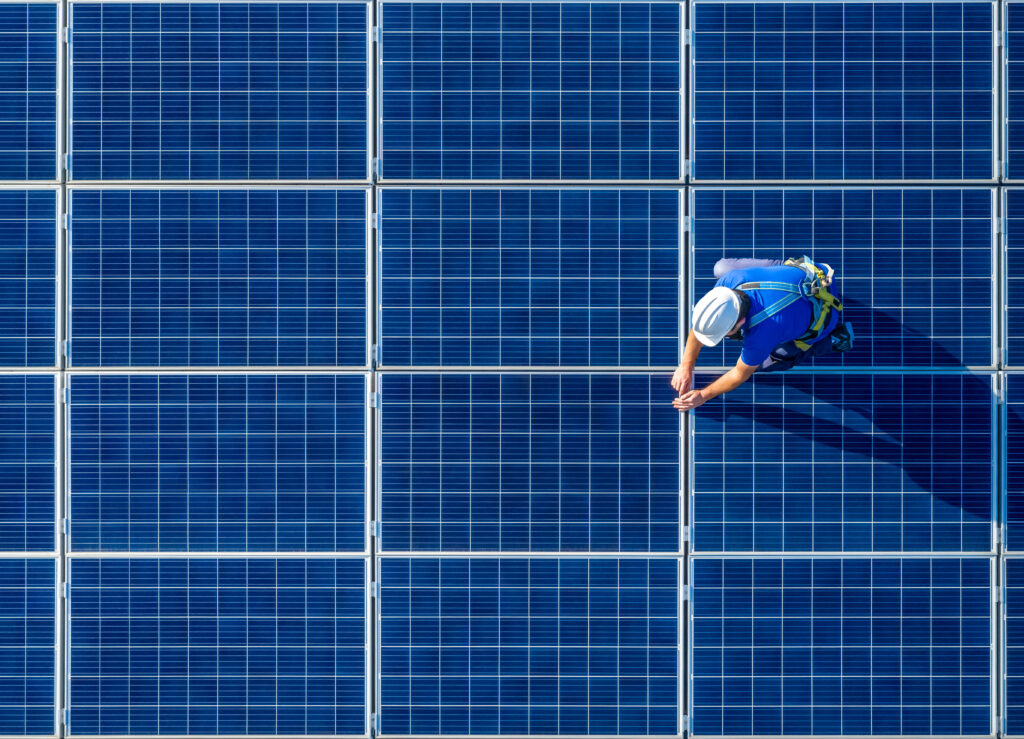
Solar
Solar power turns sunlight into electricity using panels placed on rooftops, open fields, or large solar farms.
Wind
Wind turbines capture the power of moving air to create carbon-free electricity day and night.
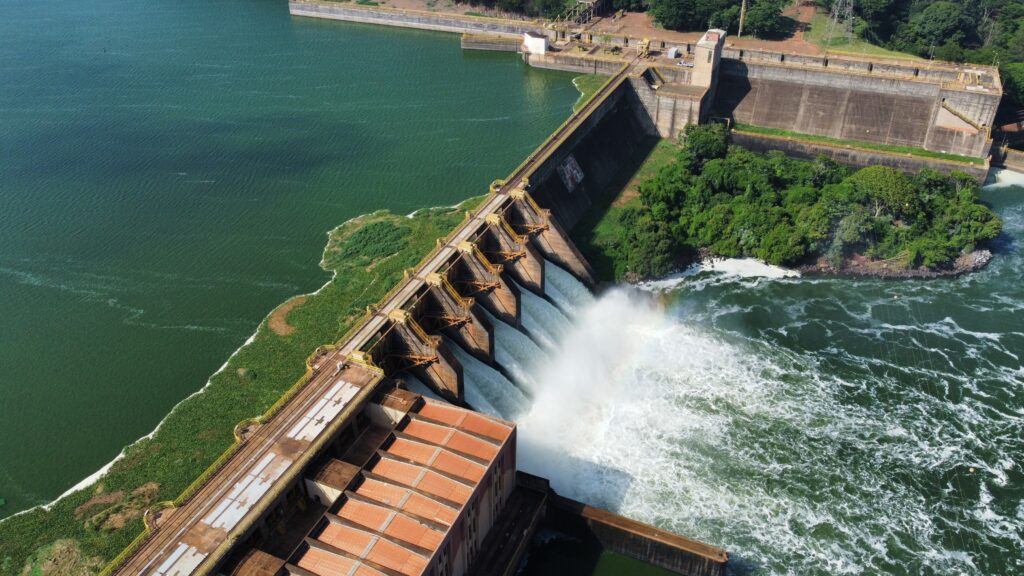
Hydro
Hydropower uses flowing water, like rivers and streams, to spin turbines and generate steady, around-the-clock electricity.
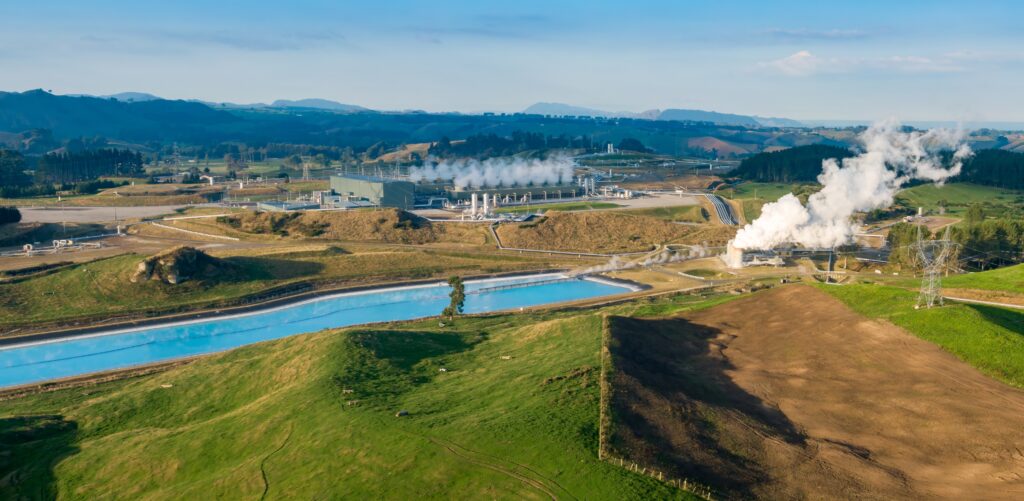
Geothermal
Geothermal energy comes from Earth’s natural heat—hot water or steam deep underground that spins turbines to make electricity. We already use geothermal energy to match some of our datacenter operations in places like New Zealand.
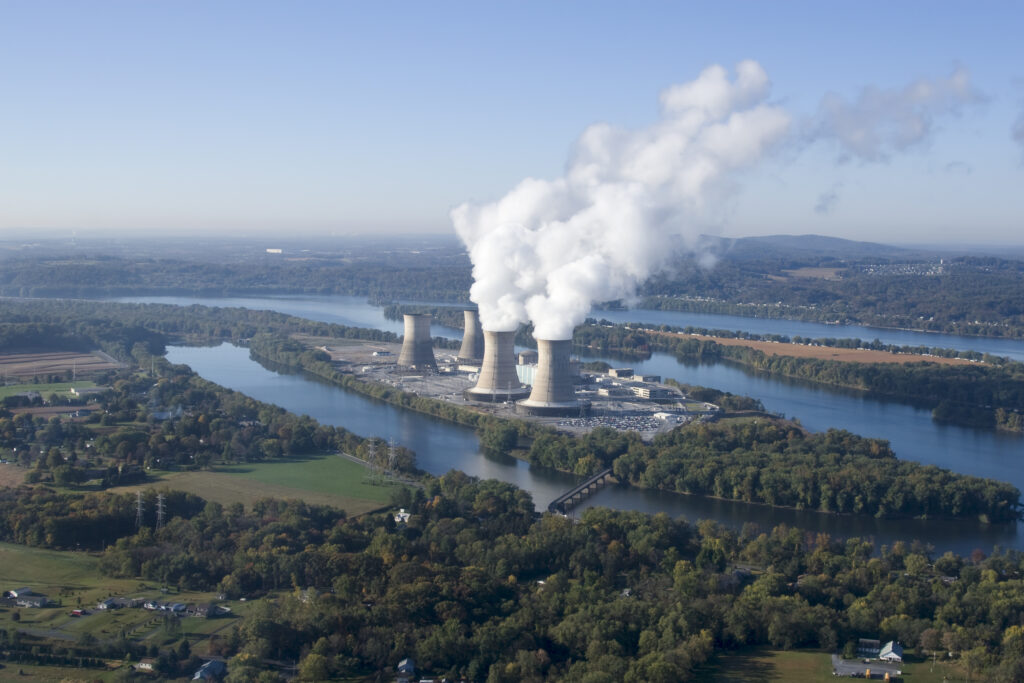
Nuclear fission
Nuclear fission creates electricity by splitting tiny atoms, which releases heat that can be turned into power. Read how the Crane Clean Energy Center in Pennsylvania will supply steady nuclear energy to our datacenters starting in 2027.
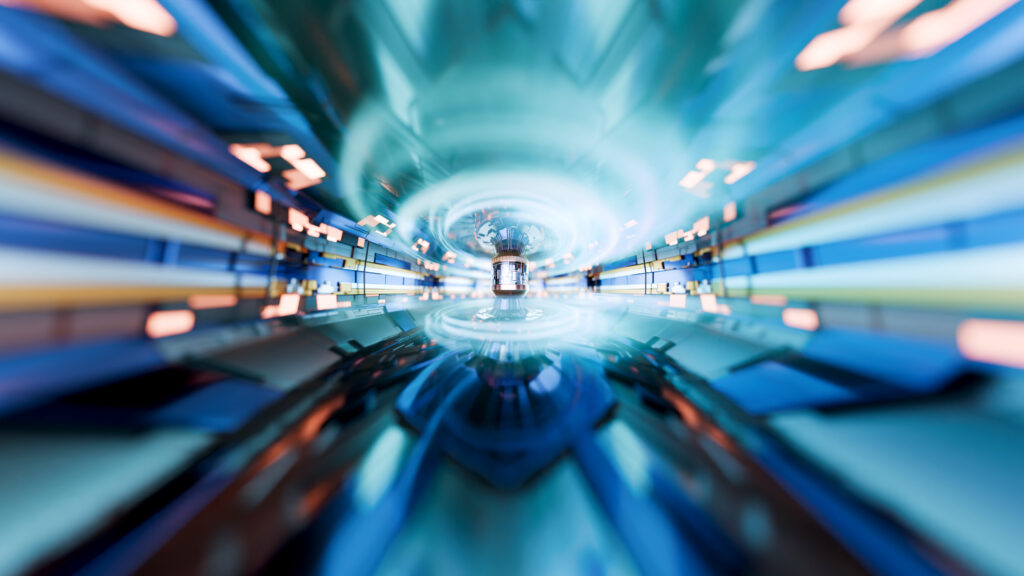
Nuclear fusion
Fusion is the same process that powers the sun: two small atoms join together, releasing energy. It doesn’t produce carbon emissions, uses very little fuel, and doesn’t create long-lasting radioactive waste. While still in development, fusion could one day offer an almost unlimited source of carbon-free, reliable energy for datacenters and the cloud services communities depend on. Learn more about the world’s first fusion energy purchase agreement in Helion’s announcement with Microsoft.

Our journey to carbon negative
Learn about our commitments and progress toward this ambitions goal
Microsoft’s commitments
- Being carbon negative by 2030
- Removing all historical emissions by 2050
Our progress
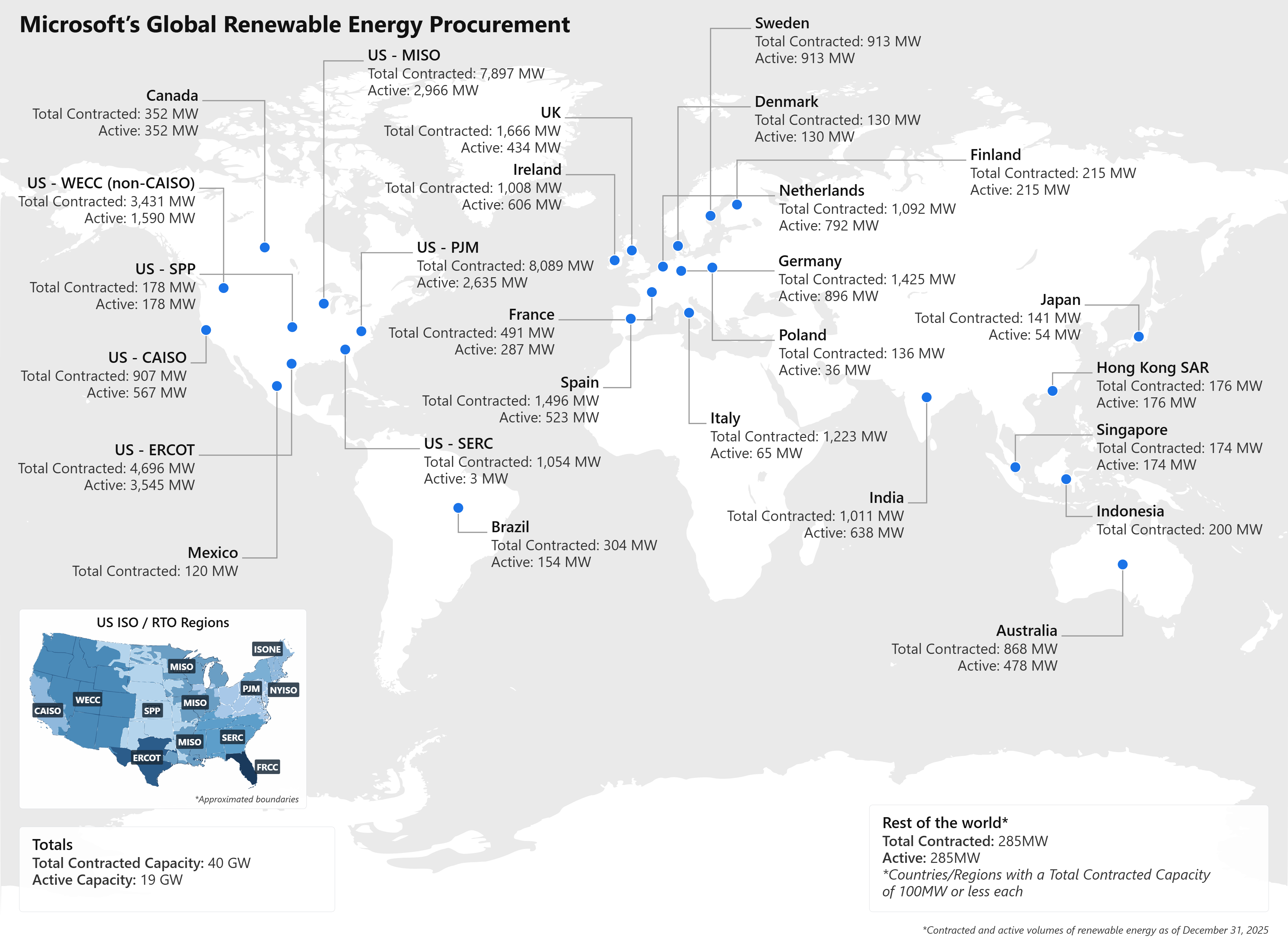
- Since 2020, we have contracted 29.8 million metric tons of carbon removal, equivalent to taking more than 6.5 million cars off the road.
- In 2025, we met our goal matching 100% of our annual global electricity consumption with renewable energy
- Since 2020, we have contracted 40 gigawatts (GW) of new renewable energy supply — that’s enough energy to power about 10 million US homes. Of that contracted amount, 19 GW are now online, delivering new clean energy supply to the power grid, while the remainder are slated to come online over the next five years.
Did you know:

Sweden is home to the first Microsoft datacenter that used a lower carbon fuel for backup power at a datacenter. The backup generators run on Preem Evolution Diesel Plus, a fuel made from at least 50% carbon-free materials that can cut carbon emissions by about the same amount compared to regular diesel.

Over 60 datacenters globally are LEED Gold Certified, which means our datacenters use less energy and water, reduce waste, and create healthier spaces. This high sustainability benchmark shows Microsoft’s commitment to eco-friendly operations.

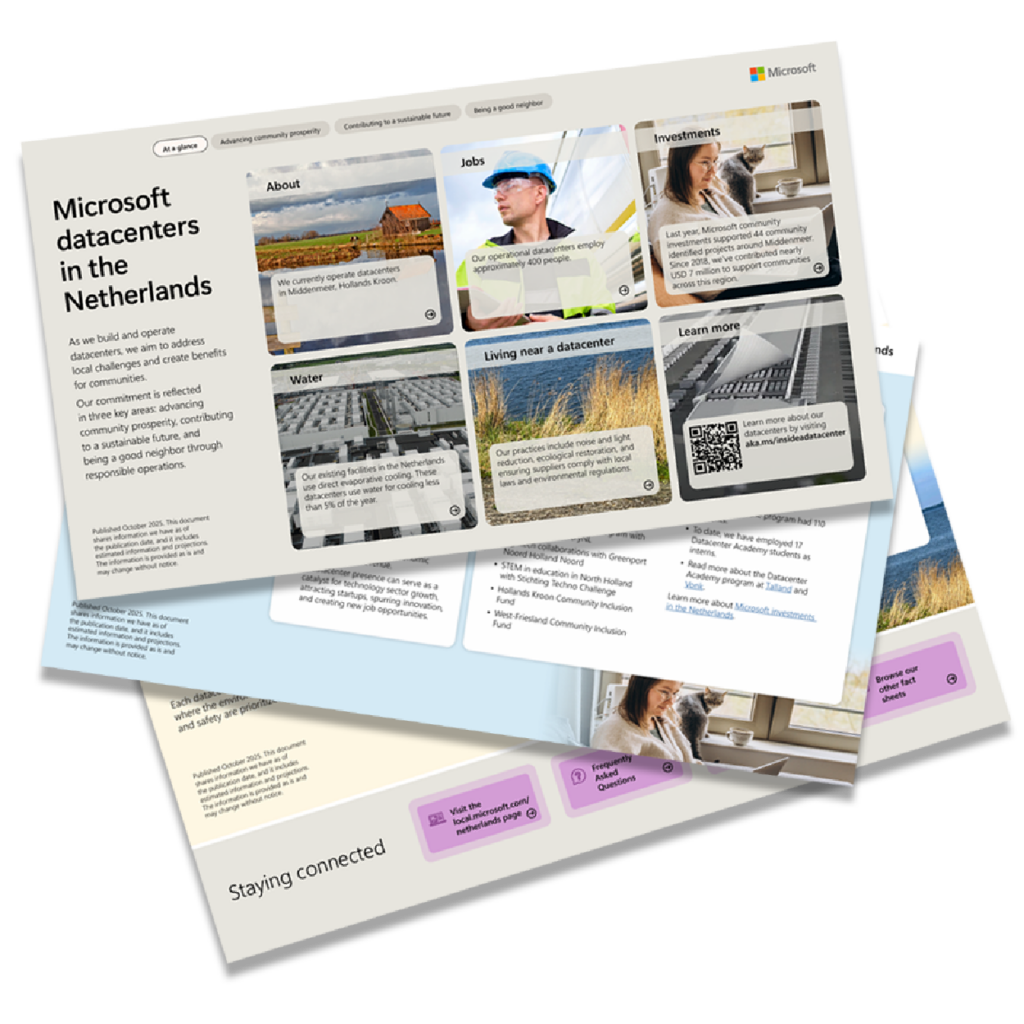
Local datacenter fact sheets
Find local information about jobs, community investments, and how we use energy and cool the datacenters in your area
Americas




Asia Pacific








Europe, Middle East, and Africa











Our Community‑First Infrastructure Initiative
Microsoft’s plan to partner with local communities

Additional resources
- Datacenter operations fact sheets in English
- 2025 Environmental Sustainability Report | Microsoft
- Carbon Negative by 2030
- Datacenter Energy Efficiency
- Sustainable by design: Innovating for energy efficiency in AI, part 1 | The Microsoft Cloud Blog
- Sustainable by design: Innovating for energy efficiency in AI, part 2 | The Microsoft Cloud Blog
- Microsoft in your community – Microsoft Local
- Sustainability – Microsoft Datacenters
- Blending innovation and sustainability into datacenters using biomimicry