

Opening doors for Alviso students through hands-on learning
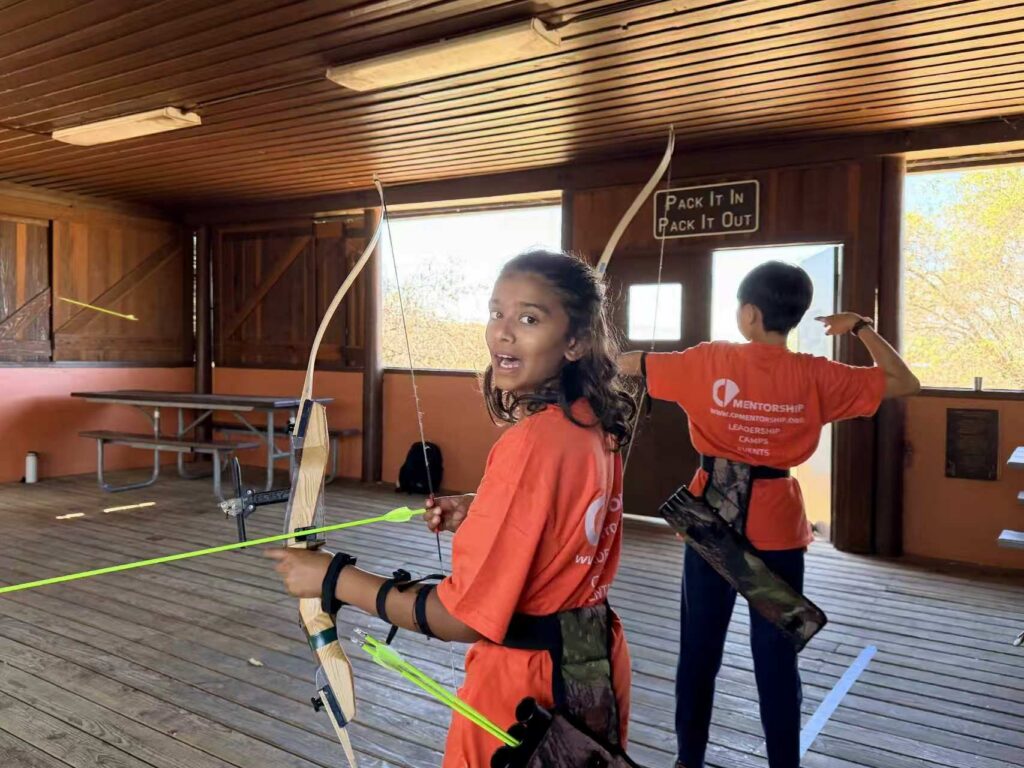
When a camper asked if a summer program in Alviso could offer archery, CompassPoint Mentorship did not have equipment or a place to practice. The organization listened anyway. Working with local partners and the Don Edwards San Francisco Bay National Wildlife Refuge, it secured a special use permit and turned a young person’s idea into one of the camp’s most popular activities.
That willingness to say yes has shaped CompassPoint Mentorship’s work in Alviso, a San Jose community where families may have limited access to affordable summer enrichment. Since launching its first local camp at the historic South Bay Yacht Club in 2021, the nonprofit has created a welcoming place for children to learn, play, build friendships, and discover what they can do.
Turning curiosity into opportunity
Founded in 2012, CompassPoint Mentorship helps children turn ideas into action through education, mentorship, and leadership. Microsoft community grants over the past four years have helped the organization expand the experiences available to Alviso students and reduce barriers to participation.
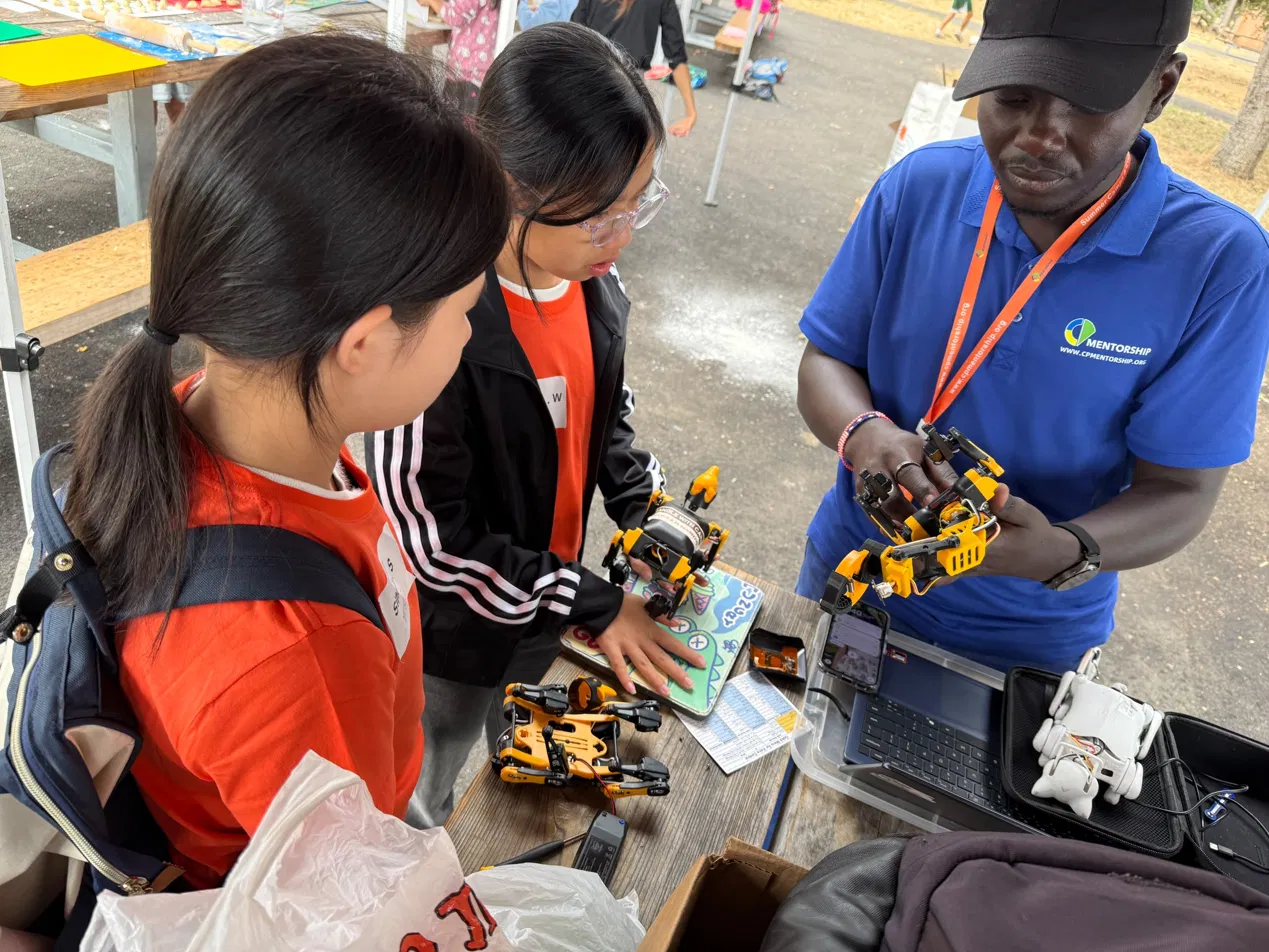
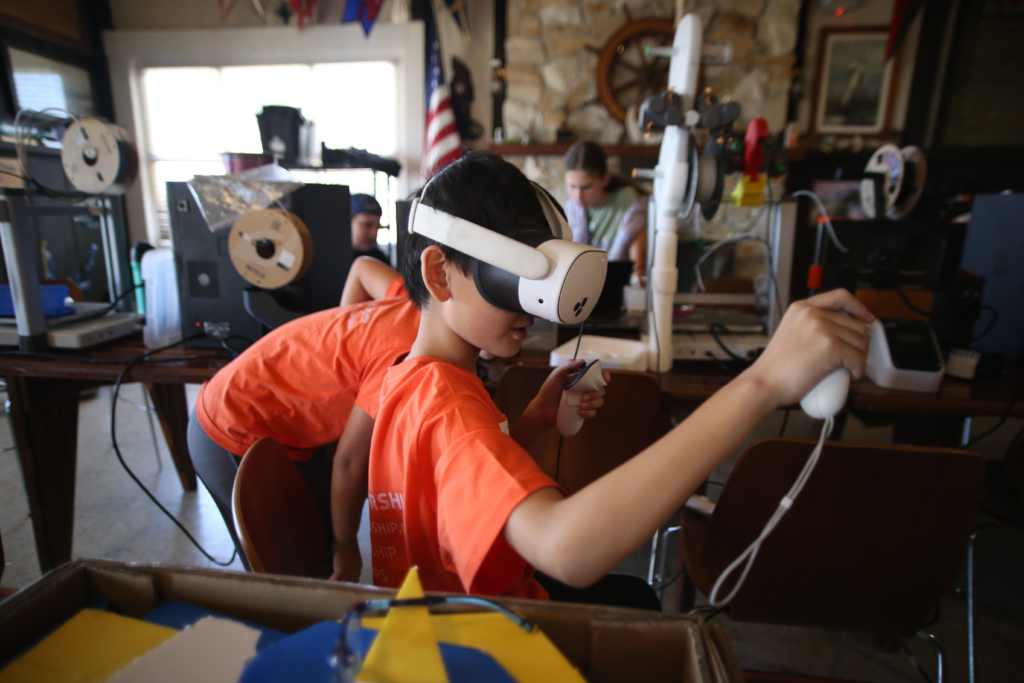
The grants have supported about $10,000 in archery equipment, along with LEGO robotics sets, 360-degree cameras, drones, robotic dogs, GPU-equipped computers, and youth training programs and hackathons. Because the equipment is reusable, it continues to serve new groups of campers each year.
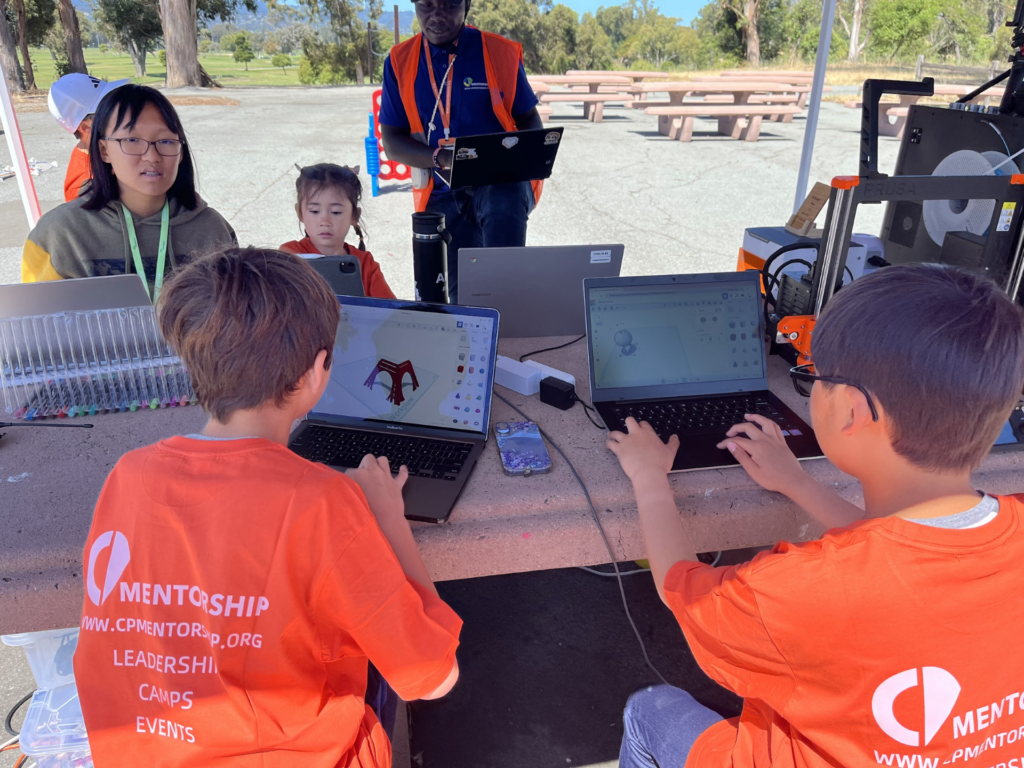
Students use the equipment to build and improve their own designs, learn the basics of flight, explore automation and AI, and document Alviso landmarks on Google Maps. The activities connect technical learning with creativity, local history, and teamwork.
“Every child has the potential to turn a simple idea into something meaningful,” said Catherine Liu, Executive Director of CompassPoint Mentorship. “Our role is to nurture that curiosity, give children the confidence to explore, and help them discover what they are capable of achieving. With Microsoft’s support, we are able to bring these experiences to children who might not otherwise have access to them. We want every child to know that their ideas matter and they have a community that believes in them.”
Learning alongside trusted mentors
CompassPoint Mentorship uses a peer-to-peer model. High school and college volunteers lead activities for younger students, sharing technical knowledge while building their own communication and leadership skills. The approach makes unfamiliar subjects feel more approachable and gives young volunteers a meaningful way to contribute.
Kellyn Hu, a teaching assistant (TA) at the drone camp, described watching students persist through early crashes and unfamiliar controls: “One of my favorite parts of being a TA at drone camp was seeing the kids’ faces light up when they finally figured out how to fly steadily on their own. Some were nervous at first, and others kept crashing or struggling with the controls. But seeing how excited and proud they were when they finally got it right genuinely warmed my heart. Moments like those remind me why I love being part of this camp.”
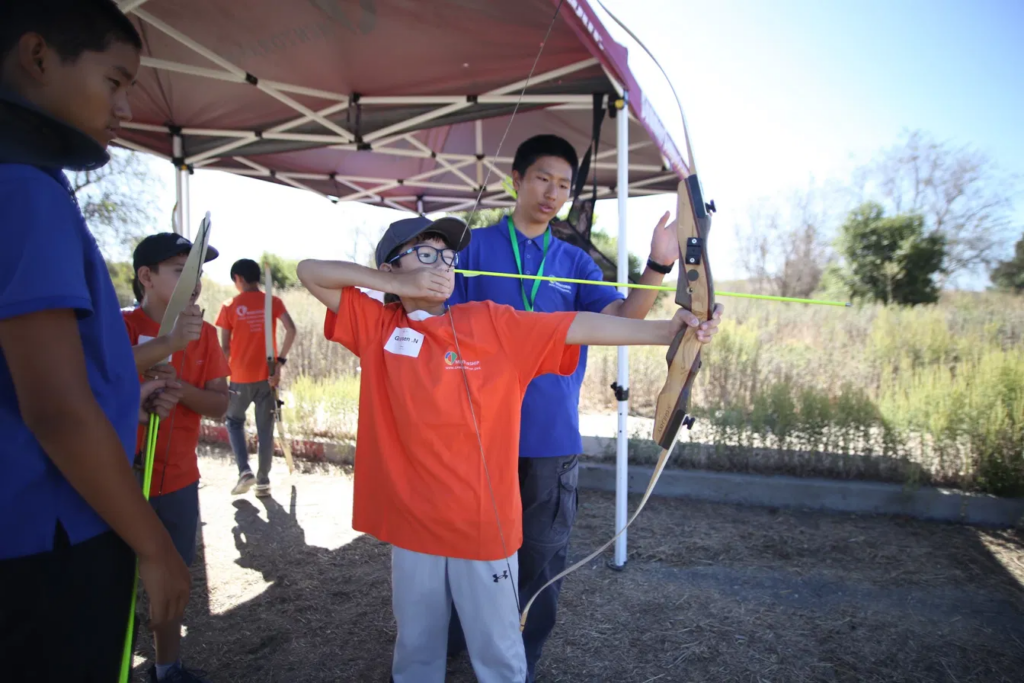
In its most recent summer program, CompassPoint Mentorship offered five weeks of activities at the South Bay Yacht Club, serving a total of 189 campers. Full scholarships supported 39 of those campers, many of whom attended multiple weeks. Forty high school volunteers led experiences ranging from drones, robotics, and 3D design to archery, cooking, and filmmaking.
Families see an impact that goes beyond technical skills. One parent shared: “He loved every day and always came back so happy even on the field trip day. It makes my heart so light to see him accepted and happy.”
Creating more ways for Alviso children to belong
What began as a response to pandemic isolation has grown into a community where children can build friendships, try new things, and find interests they want to pursue. CompassPoint Mentorship hopes to extend that connection beyond summer through spring break camps and after-school programs. The organization’s plans remain grounded in the same practice that brought archery to camp: listening to young people, making room for their ideas, and surrounding them with mentors who believe in their potential.